
The thermostat says the house is cool, yet one bedroom still feels several degrees warmer. That is a familiar summer frustration in Anthem.
Closing curtains may help a sunny room, but a stubborn temperature difference can also point to an airflow or building problem. The useful question is not how far to lower the thermostat. It is why cooled air is not reaching and remaining in that part of the home.
Check What Has Changed Inside the Room
Begin with the supply vent and return path. Make sure the vent is open and not hidden beneath furniture. A dirty filter can reduce airflow throughout the house, while a closed bedroom door may limit the route by which air returns to the system. These simple checks sometimes explain a recent comfort change.
Sun exposure matters too. West facing windows absorb intense afternoon heat, and rooms above garages often gain more heat than central living areas. Curtains, shades, and properly sealed windows can reduce the load, but they will not repair weak airflow.
Duct Trouble Can Leave One Room Behind
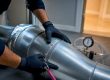
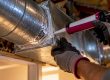
A loose connection, crushed flexible duct, damaged section, or poorly insulated run can lose cooled air before it reaches the vent. Ducts in a hot attic face especially demanding conditions.
The United States Department of Energy notes that existing ducts may leak, become blocked, or need upgrades. ENERGY STAR also lists uneven temperatures among the signs that ducts, attic insulation, or air sealing may need attention.
Turning the thermostat lower will not correct a disconnected duct. It simply asks the AC system to run longer while comfortable rooms become colder.
Air Balance and Equipment Performance Matter
A home is a connected air system. Supply volume, return airflow, duct layout, and room heat gain all influence comfort. If a recent remodel changed walls or room use, the original airflow plan may no longer suit the house.
An aging blower, dirty coil, or incorrect system setting can also reduce the air available at distant vents.
Uneven cooling does not automatically mean the air conditioner must be replaced. Testing can show whether the problem lies in the equipment, ductwork, home envelope, or a combination of them.
What a Careful Inspection Should Examine
A useful service visit goes beyond checking the thermostat. The technician should compare temperatures, inspect accessible ducts, assess airflow, examine the filter and coil, and consider how the attic and room orientation affect the result.
That broader view helps avoid an unnecessary repair that does not solve the warm room.
Call sooner if airflow from a vent has suddenly weakened, the system runs almost constantly, electricity use has risen without an obvious reason, or new rattling and whistling sounds have appeared.
Get More Even Cooling in Anthem
Tru Comfort Heating and Cooling provides AC and air duct services for Anthem homeowners. Its NATE certified, noncommissioned technicians can inspect the complete comfort system and explain their findings plainly.
Call 602 499 7855 or schedule through the Tru Comfort website. The team will look for the source of the temperature difference and recommend practical work that can help every room feel more comfortable throughout the Arizona summer.
References:
https://trucomfortaz.com/services/
https://www.energystar.gov/saveathome/seal_insulate/identify-problems-you-want-fix
https://www.energy.gov/energysaver/minimizing-energy-losses-ducts
Tru Comfort Heating & Cooling In The Phoenix Valley
At Tru Comfort Heating & Cooling, we deliver reliable, efficient, and cost-effective solutions to enhance comfort and water quality. Whether you need HVAC installation, repair, maintenance, or water treatment solutions, our team is here to assist you every step of the way. Contact us today for exceptional service from an insured and bonded HVAC company. Experience reliable and efficient solutions that exceed your expectations.