Replace Your Furnace by 15–20 Years: Safety Signs and a Homeowners’ Checklist
Replace your furnace now if it’s over 15 to 20 years old and showing safety or reliability red flags. Otherwise, run the repair-versus-replace math before spending another dollar on it. The clearest signals are a cracked heat exchanger or carbon monoxide risk (replace immediately), repair costs creeping past half the price of a new unit, and heating bills climbing while comfort drops. Everything else is timing and budget.
TL;DR:
- Replacement is recommended if a furnace shows safety hazards like cracked heat exchangers or carbon monoxide risks, regardless of age.
- Frequent repairs, strange noises, uneven heating, or rising energy bills consistently signal a system nearing the end of its useful life.
- Modern high-efficiency furnaces offer significant fuel savings only when properly installed with correct sizing, venting, and duct sealing.
- Performing proper load calculations and duct assessments before installation prevents efficiency losses that commonly occur with poorly executed upgrades.
- Best replacement timing occurs in spring or fall, allowing for better scheduling, competitive pricing, and reduced reliance on emergency repairs during peak cold weather.
Table of Contents
- What Signs Mean It’s Time to Replace Your Furnace?
- How Long Does a Furnace Actually Last?
- Is It Cheaper to Repair or Replace Your Furnace?
- Do Newer Furnaces Really Save That Much on Energy Bills?
- What Should You Check Before Installing a New Furnace?
- When Is the Best Time of Year to Replace a Furnace?
- What Does a Professional Furnace Inspection Actually Cover?
- The Real Lesson: Most Furnace Failures Are Predictable
- Ready to Replace Your Furnace? Here’s What Tru Comfort Offers
- Sources
What Signs Mean It’s Time to Replace Your Furnace?
A furnace rarely fails without warning. It talks first, usually through noise, smell, or your utility bill.
Frequent, escalating repairs top the list. One repair a year is normal maintenance. Two or three unrelated failures in a single heating season, especially involving different components (ignitor, blower motor, control board), signals a system that’s wearing out systemically rather than suffering one bad part.
Strange noises deserve attention because each one maps to a specific failure. Banging or popping usually means delayed ignition, which stresses the heat exchanger over time. Screeching points to a blower motor bearing on its way out. Rattling often traces to a loose panel, but it can also mean a cracking heat exchanger shaking components loose.
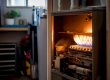
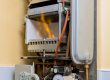
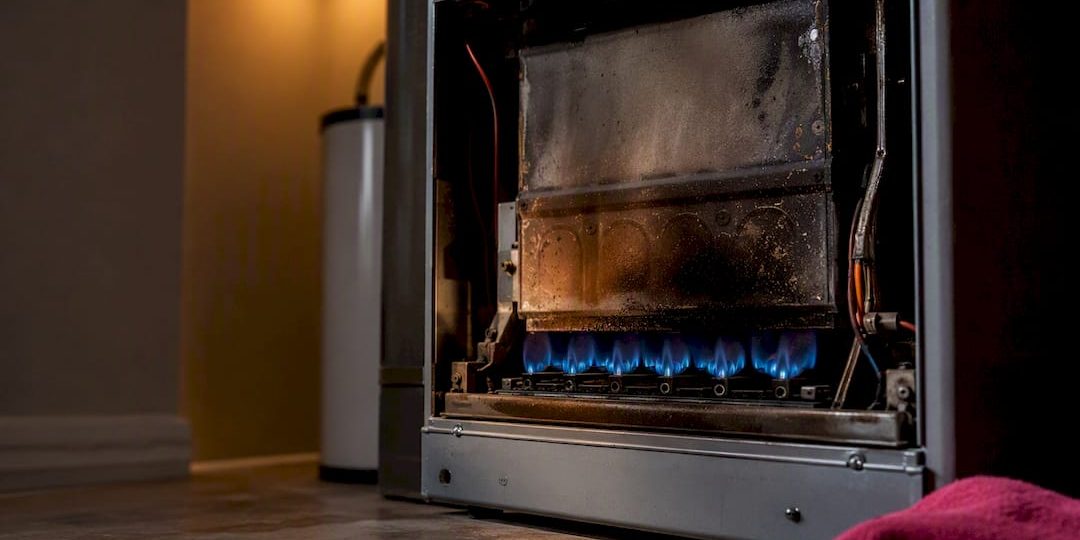
A persistent yellow or flickering flame, instead of the steady blue flame a healthy gas furnace produces, is a combustion problem. It often means incomplete combustion, which can produce carbon monoxide. Soot around the burner or vent is a related warning sign.
Short-cycling (the furnace turning on and off repeatedly instead of running a full heating cycle) usually points to a failing thermostat, a clogged filter, or a cracked heat exchanger tripping a safety switch. It wastes energy and accelerates wear on the parts that start and stop the system.
Uneven heating or unusually long run times suggest the furnace can no longer meet your home’s heating load, whether from age-related capacity loss, duct problems, or improper sizing from the original installation.
Rising fuel bills with no change in weather, usage, or utility rates mean your furnace is burning more fuel to produce the same heat. That’s a direct efficiency measure the utility company hands you every month.
Safety note: If you smell gas, hear a carbon monoxide alarm, or notice soot and a yellow flame, shut the furnace down and call a professional immediately. The OSHA carbon monoxide factsheet is blunt about this: CO exposure is a serious hazard that requires prompt action, not a wait-and-see approach.
How Long Does a Furnace Actually Last?
Furnace lifespan depends heavily on fuel type and how well the unit has been maintained.
- Gas furnaces: generally around the middle of their typical lifespan range
- Oil furnaces: commonly last within a typical range varying by maintenance and conditions
- Electric furnaces and air handlers: often have a longer lifespan due to fewer mechanical wear points
The Department of Energy’s lifecycle guidance uses roughly 18 years as the median figure in its life-cycle cost comparisons, and recommends homeowners start evaluating replacement seriously around the 15-year mark rather than waiting for a breakdown.
That midpoint matters for planning. A furnace at year 12 with one repair issue is still a repair candidate. The same issue at year 17 tips the scale toward replacement, because you’re paying to extend a system that’s already near the end of its statistically expected life.
Several factors shift that timeline in either direction. Consistent annual maintenance, like filter changes and combustion tune-ups, can push a furnace toward the upper end of its range. Heavy run hours in a climate with long, harsh winters shorten it. Installation quality matters too: a furnace installed with the wrong airflow settings or an undersized duct system tends to fail earlier, regardless of the brand or price tag on the unit itself. The 15 to 20 year range isn’t an arbitrary number. It’s the point where the odds of a major component failure start outweighing the cost of proactive replacement.
Is It Cheaper to Repair or Replace Your Furnace?
Two simple math tests cut through most of the guesswork.
- The $5,000 rule. Multiply the furnace’s age by the estimated repair cost. If the result exceeds $5,000, replacement usually makes more financial sense. A 12-year-old furnace with a $500 repair estimate scores 6,000, over the threshold. A 6-year-old furnace with the same $500 repair scores 3,000, well under it.
- The 50% rule. If a single repair quote comes in above 50% of what a new furnace installation would cost, replace it. Sinking half the price of a new system into an aging one rarely pays off, especially with more failures likely down the line.
Both are triage tools, not guarantees. The 50% rule and the $5,000 rule are meant to give you a fast read, then you sanity-check that read against an actual furnace repair cost quote and a real replacement estimate for your home, since regional labor rates and unit sizing change the numbers.
Pro Tip: Run both rules on any repair quote over $300. If they disagree, lean toward the more conservative answer, which is usually replacement, unless the furnace is under 10 years old.
Safety overrides all of this math. A cracked heat exchanger or confirmed carbon monoxide leak means replacement regardless of what the dollar figures say. The one exception: a minor, cheap repair that buys you a few weeks to schedule replacement properly, rather than doing it as a winter emergency, can be a reasonable stopgap as long as the furnace is safe to run in the meantime.
Do Newer Furnaces Really Save That Much on Energy Bills?
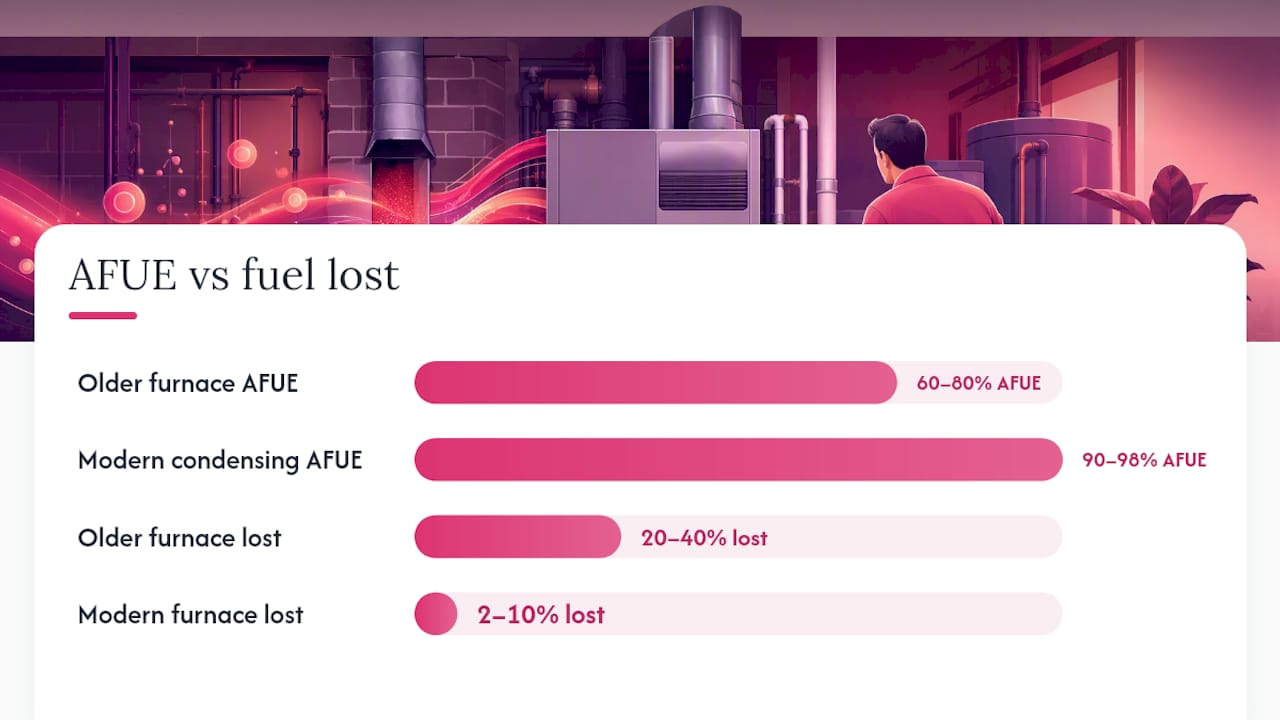
Furnace efficiency is measured by AFUE, or Annual Fuel Utilization Efficiency, which tells you what percentage of fuel the furnace actually converts to heat rather than losing up the flue.
Older furnaces, especially those installed before the 1990s, commonly run between 60% and 80% AFUE. Modern condensing furnaces, the kind that carry an ENERGY STAR label, reach 90% to 98% AFUE. That gap is not trivial: a furnace running at 65% AFUE wastes more than a third of every dollar of fuel it burns, while a 96% AFUE unit wastes barely 4 cents on the dollar.
The DOE’s residential furnace guidance models lifecycle costs across efficiency tiers and finds that high-efficiency condensing units frequently pay back their higher upfront cost through fuel savings over the equipment’s life, particularly in climates with long heating seasons.
Three things determine whether you actually capture that AFUE gain:
- Correct sizing. An oversized furnace short-cycles and never reaches its rated efficiency.
- Proper venting. Condensing furnaces need PVC venting and condensate drainage that older duct and vent systems weren’t built for.
- Duct condition. Leaky, poorly sealed ducts bleed conditioned air before it reaches your living space.
That last point isn’t theoretical. Field testing on furnaces in the 15 to 24 year range found installed steady-state efficiency ran about 6.4% lower than lab-rated values, largely because of field installation and airflow issues rather than equipment defects. Ask about available rebates or tax credits for high-efficiency systems when you get a quote. They often shrink the price gap between a standard-efficiency and high-efficiency unit enough to make the higher tier the obvious choice.
What Should You Check Before Installing a New Furnace?
A new furnace installed badly will underperform an old one installed well. This is where a lot of replacement dollars quietly evaporate.
The same Building America field research that found real-world efficiency losses also flagged a recurring problem: installers skipping manufacturer specifications on blower speed and airflow settings, leaving new equipment operating outside its designed range from day one. Oversizing is the other common mistake. A furnace sized for a bigger house than yours will short-cycle, wear out faster, and never hit its rated AFUE.
Before you sign a contract, insist on these deliverables:
- A Manual J load calculation sized to your actual home, not a rule-of-thumb estimate based on square footage alone
- A Manual D duct assessment or full duct plan, particularly if your ducts are original to a decades-old system
- Correct venting for condensing furnaces, since older flue setups usually aren’t compatible
- Permits and a final inspection, which protect you if something goes wrong later
Pro Tip: If your ducts haven’t been inspected in over a decade, budget for possible modification costs alongside the furnace itself. Leaky or undersized ductwork can erase a chunk of the efficiency gain you’re paying for. Sealing up the building envelope elsewhere in the house, including old, drafty interior doors, also reduces the heating load your new furnace has to cover.
When Is the Best Time of Year to Replace a Furnace?
Spring and fall are the best windows to replace a furnace, and it’s not a minor preference.
Contractors have lighter schedules outside peak heating season, which usually means faster availability and more competitive pricing. High-efficiency units can carry lead times of days to a couple of weeks depending on model and region, and that timeline gets tighter once the first cold snap hits and everyone with a dying furnace calls at once.
- Get at least two or three bids if your furnace is showing age-related symptoms but hasn’t failed outright. Compare not just price, but load calculations and duct recommendations.
- Verify credentials before booking, including licensing and technician certifications, and ask what the estimate visit actually includes (inspection, load calc, duct check).
- Build a winter contingency plan if you’re gambling on a furnace lasting one more season: know your emergency repair options and have a temporary heating plan in case it fails on the coldest night of the year.
Planning ahead during the DOE’s recommended evaluation window around year 15 gives you the luxury of choosing your contractor and your season, instead of both being chosen for you by a January breakdown.
What Does a Professional Furnace Inspection Actually Cover?
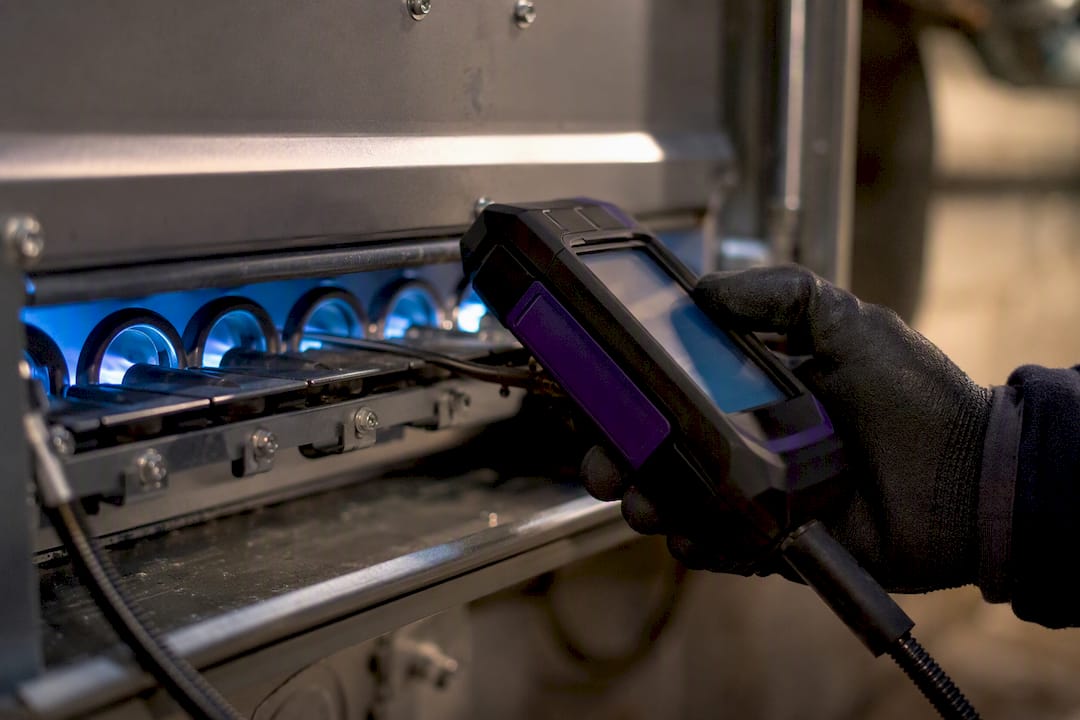
A real inspection goes well beyond listening to the furnace run for a minute and declaring it fine. A qualified technician runs a combustion analysis to check flame quality and confirm safe carbon monoxide levels, inspects the heat exchanger for cracks or corrosion, tests blower performance and airflow against the furnace’s rated specs, checks for duct leakage, and estimates the unit’s real-world AFUE rather than relying on the number stamped on the nameplate.
The company is a family-owned HVAC service provider, and its technicians are certified to industry standards, indicating recognized technical competency. The company doesn’t work on commission, so the recommendation you get, repair or replace, reflects the furnace’s actual condition rather than a sales quota. That structure also shows up in Tru Comfort’s furnace lifespan guidance for the local climate and its ongoing maintenance plans, which catch small problems before they become $5,000-rule problems.
The Real Lesson: Most Furnace Failures Are Predictable
Here’s what the data and the field reports actually add up to: furnace failure is rarely a mystery. It’s a slow accumulation of small signals that homeowners either don’t recognize or choose to ignore because the furnace is “still running.” The DOE’s 15-year evaluation point isn’t a hard deadline, but it’s a remarkably reliable warning track.
The bigger blind spot isn’t age, it’s installation quality. Plenty of homeowners replace an aging furnace, expecting a fresh start, and then wonder why their bills didn’t drop the way the brochure promised. The answer is almost always sizing, ductwork, or airflow settings nobody checked. A new furnace bolted onto old, leaky ducts is a new furnace working at a used furnace’s efficiency.
If there’s one thing worth prioritizing above the rest, it’s this: get the load calculation and duct assessment done properly, even if it costs more upfront. Skipping that step to save a few hundred dollars is the single most common way homeowners waste the efficiency gains they just paid thousands of dollars for.
Ready to Replace Your Furnace? Here’s What Tru Comfort Offers
If you’ve run the $5,000 rule, checked for safety red flags, and landed on replacement, the next step is getting an honest, no-commission evaluation, not a sales pitch dressed up as an inspection. Trucomfortaz sends NATE-certified technicians who run the load calculation and duct assessment upfront, so you’re not gambling on whether the new unit will actually perform the way its AFUE rating promises.

As a family-owned company, pricing is based on each home’s actual heating needs rather than generic packages. Recommendations provided, whether for a straightforward swap or additional duct corrections, reflect the home’s requirements rather than inventory considerations. If your furnace is showing any of the signs covered above, schedule a furnace installation evaluation and get pricing and a timeline before the next cold spell forces the decision for you.
Sources
- Purchasing Energy-Efficient Residential Furnaces | Department of Energy
- Improving gas furnace performance (Building America / PARR report)
- Repair or Replace HVAC in 2026: The $5,000 Rule and a Calmer Decision Framework | Home Energy Decisions
- Carbon monoxide factsheet | OSHA