Burning Smell From Your Furnace: Safety Steps for Homeowners
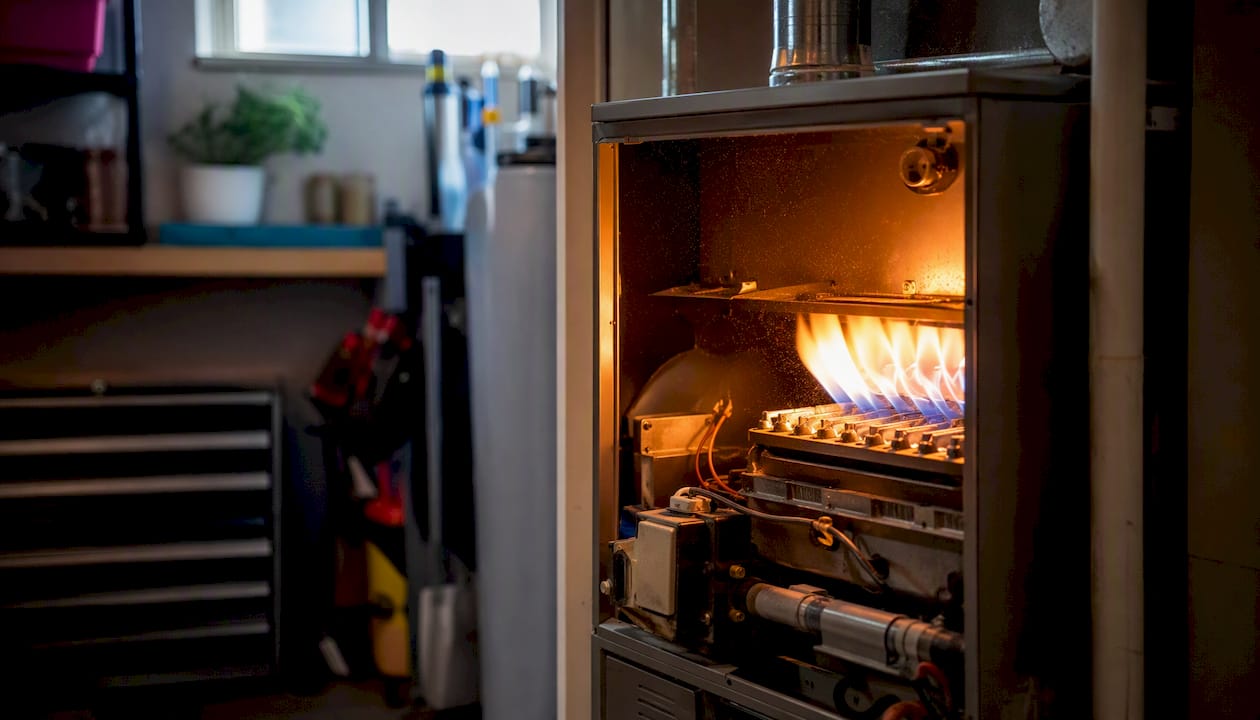
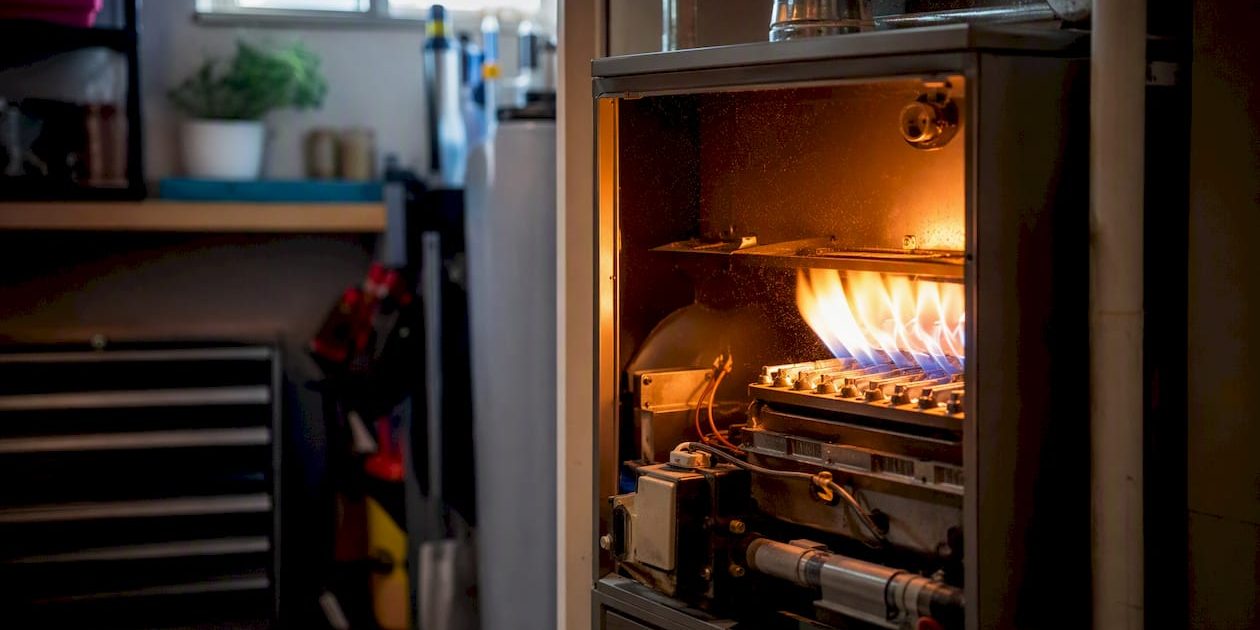
Most burning smells from a furnace are not emergencies. The most common cause is dust burning off heat exchangers and ductwork after a long dormant period, and that smell typically fades within 30–60 minutes. But some odors, specifically burning plastic, electrical, rotten eggs, or persistent smoke, signal real danger and require immediate action.
What to do right now:
- If you smell rotten eggs or sulfur: leave the house immediately, do not flip any switches, and call your gas utility and 911 from outside.
- If you smell burning plastic or electrical: shut off the furnace at the thermostat, then cut power at the breaker, and call an HVAC technician.
- If you smell dust or a faint burning odor on the first run of the season: open a window, let the system run for up to an hour, and monitor closely.
Three authoritative sources back these steps. The NFPA’s home heating safety guidance notes that malfunctioning heating equipment is a leading cause of home fires. The Minnesota Department of Health confirms that carbon monoxide (CO) is completely odorless, making UL-listed CO detectors on every floor and near sleeping areas non-negotiable. The CPSC’s consumer CO guide adds that only trained technicians can safely detect some hidden combustion problems.
Key Takeaways
Most burning smells from a furnace are either harmless seasonal dust burn-off or a clear signal to shut the system down immediately, and knowing which is which determines whether you monitor or evacuate.
| Point | Details |
|---|---|
| Dust smell fades fast | A dusty burning odor at first seasonal startup typically clears within a short time and is usually harmless. |
| Plastic or electrical smell: stop the furnace | Shut off at the thermostat and breaker; call a licensed HVAC technician before running the system again. |
| Gas smell means evacuate | Leave immediately without touching switches; call your gas utility and 911 from outside. |
| CO detectors are non-negotiable | CO is odorless; install UL-listed detectors on every floor and near sleeping areas, and test them monthly. |
| Trucomfortaz for local service | NATE-certified, non-commissioned technicians in New River, AZ handle emergency diagnostics, heat exchanger inspections, and annual tune-ups. |
Table of Contents
- 1. Common causes of a burning smell from a residential furnace
- 2. What to do right now when you smell burning from the furnace
- 3. Safe, non-invasive checks you can perform before calling a pro
- 4. When this is an HVAC emergency versus a service appointment
- 5. How to prevent burning smells and keep your furnace safe
- 6. Signs your furnace may be dying or needs replacement
- 7. Carbon monoxide and health: symptoms, detectors, and why you can’t rely on smell
- What a local HVAC provider sees most often
- Tru Comfort is ready when your furnace needs attention
- Sources
1. Common causes of a burning smell from a residential furnace
Matching the smell to its source is the fastest way to decide whether you’re dealing with a nuisance or a hazard. Here are the main causes, roughly ordered from least to most urgent.
1. Seasonal dust burn-off
The most frequent cause of a furnace smells like burning dust complaint. Dust settles on burners, heat exchangers, and inside ductwork during the months your system sits idle. When heat fires up for the first time in fall or winter, that dust incinerates. The smell is faintly musty or like warm dust, and it clears within 30–60 minutes. Safe to let it run briefly while monitoring.
2. Dirty or clogged air filter
A filter so clogged it restricts airflow forces the heat exchanger to overheat. The smell is similar to dust burn-off but tends to linger. Check the filter first — a gray, matted filter is the culprit. Replace it and see if the smell resolves within one heating cycle.
3. Foreign object in the ductwork
A plastic toy, piece of packaging, or small household item dropped into a floor register produces a sharp, acrid burning-plastic smell the moment heat reaches it. The smell is localized and often stronger near one vent. Removing the object usually solves it immediately.
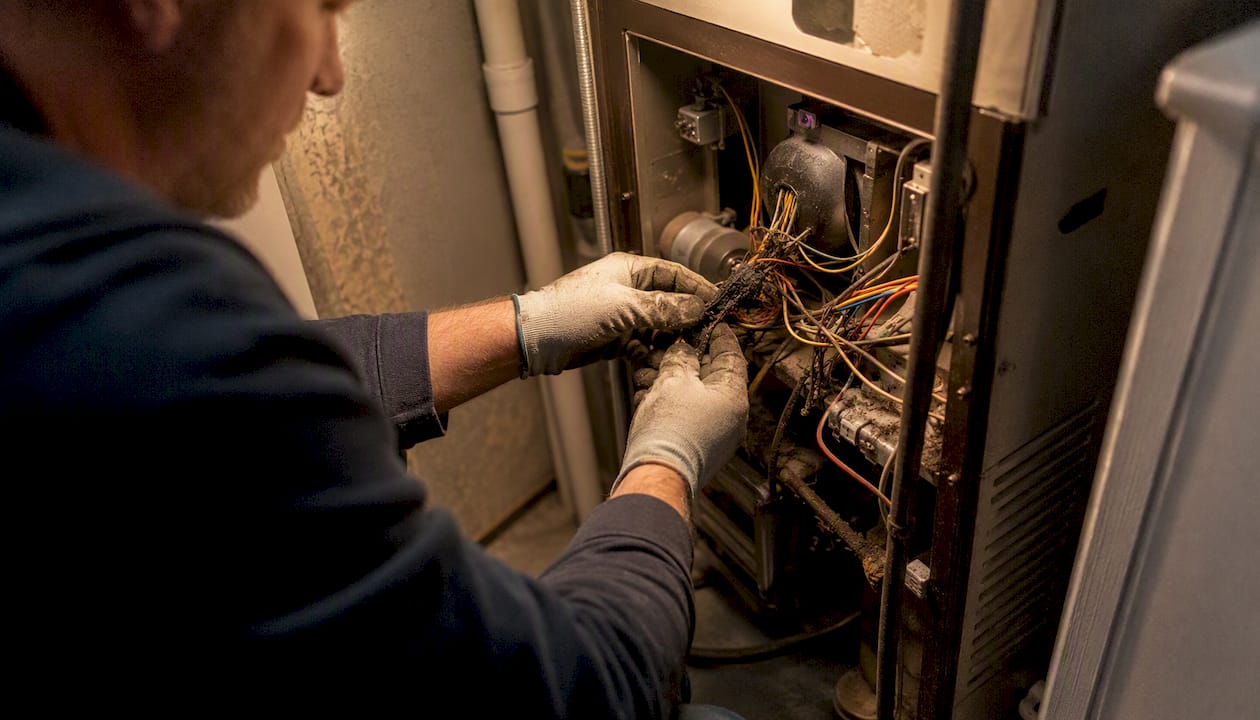
4. Burning plastic or electrical odor
This is the smell that demands you stop the furnace. Burned or frayed wiring, an overheating blower motor, or a failing control board all produce a sharp, chemical plastic or hot-metal smell. Unlike dust burn-off, it does not fade with time. Shut down the system and call a technician before running it again.
5. Burning rubber
Older furnaces with belt-driven blowers can produce a burning-rubber smell when the belt slips or begins to deteriorate. It’s distinct from electrical smells — more like a car belt burning. Not immediately dangerous, but the blower will fail soon without service.
6. Oil or fuel combustion odors
Oil-fired furnaces sometimes emit a faint oil smell at startup, especially if the nozzle is partially clogged or the combustion chamber needs cleaning. A strong, persistent oil smell suggests incomplete combustion and warrants a technician visit.
7. Rotten-egg or sulfur smell
Natural gas is odorized with mercaptan specifically so you can detect leaks. This smell is never normal and is always an emergency. Do not attempt to find the source yourself.
8. Exhaust or backdrafting
If the flue or venting system is blocked or damaged, combustion gases can spill back into the living space. The smell is a mix of exhaust and something slightly sweet or metallic. Visible soot around the furnace cabinet is a strong visual clue.
9. New-unit manufacturing odors
Brand-new furnaces sometimes emit a faint burning smell on the first few cycles as protective coatings and oils on internal components burn off. This is normal and typically resolves within two to three heating cycles.
2. What to do right now when you smell burning from the furnace
The sequence matters. Follow these steps in order.
-
Identify the smell first. Rotten eggs or sulfur means gas. Burning plastic or sharp chemical means electrical. Dusty or warm means seasonal burn-off. Your next step depends on which category it falls into.
-
Gas smell: evacuate immediately. Leave the house without touching any light switches, outlets, or the furnace controls. Call your gas utility and 911 from outside or a neighbor’s home. Do not re-enter until cleared by emergency responders.
-
Electrical or burning-plastic smell: shut down safely. Turn the thermostat to “off” first, then cut power to the furnace at the breaker panel. Open windows briefly to ventilate. Do not run the system again until a licensed HVAC technician has inspected it.
-
Dust or mild odor: ventilate and monitor. Open a window or two, let the furnace run for up to an hour, and stay nearby. If the smell intensifies, changes character, or does not clear, treat it as an electrical smell and shut down.
-
Check your CO and smoke alarms. If either alarm sounds, evacuate immediately and call 911. Do not silence the alarm and go back to sleep.
-
Call the right resource. Gas leak: your gas utility’s emergency line. Visible smoke or alarm activation: 911. Electrical or persistent odor: a licensed HVAC technician. For homeowners in New River and the Phoenix area, Trucomfortaz furnace repair offers emergency diagnostic service.
Safety warning: Never operate electrical switches, use open flames, or attempt to repair burners, gas valves, or wiring yourself when you suspect a gas leak or combustion problem. These actions can ignite gas or worsen an electrical fault. Leave the diagnosis to a trained technician.
You can also review this emergency furnace repair checklist from a partner resource for a quick reference during a stressful moment.
3. Safe, non-invasive checks you can perform before calling a pro
Before you pick up the phone, a few quick visual checks can help you describe the problem accurately and sometimes point to an obvious fix.
What you can safely check:
- Air filter: Pull it out and hold it up to light. If you can’t see light through it, replace it before running the furnace again.
- Floor and wall registers: Look inside with a flashlight for dropped objects, debris, or visible dust buildup. Remove any foreign items you can reach safely.
- Vent and exhaust pipes: Walk around the exterior of your home and confirm the intake and exhaust pipes are clear of leaves, bird nests, or snow and ice.
- Furnace cabinet exterior: Look for soot stains, rust streaks, or moisture around the cabinet and flue connections. These are visual clues the CPSC associates with potential CO problems.
- Blower sounds: Listen for grinding, squealing, or rattling when the blower runs. Unusual sounds alongside a burning smell usually indicate a motor or belt issue.
- CO and smoke detectors: Press the test button on each unit. A detector that fails the test needs a fresh battery or replacement immediately.
What you should not do:
- Do not remove panels that expose wiring, burners, or the heat exchanger.
- Do not attempt to adjust or clean the gas valve, burner assembly, or igniter.
- Do not run the furnace if you detect any gas odor, strong electrical smell, or visible smoke.
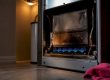
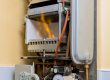
Pro Tip: Some furnaces have a sight glass on the burner compartment door. If yours does, you can safely observe the flame color without opening the cabinet. A steady blue flame is normal. A yellow or orange flame suggests incomplete combustion, which can indicate a CO risk. If you see yellow or orange, shut the furnace off and call a technician rather than continuing to run it.
For more on what a safe basic cleaning looks like before a technician arrives, Trucomfortaz’s furnace cleaning guide walks through the steps homeowners can handle without risk.
4. When this is an HVAC emergency versus a service appointment
Not every burning smell requires a 911 call, but some absolutely do. Here’s how to tell the difference.
Call 911 or your gas utility immediately if:
- You smell rotten eggs, sulfur, or natural gas anywhere in the home.
- Your CO detector alarm activates.
- You see visible smoke coming from the furnace or vents.
- Anyone in the household has sudden headache, dizziness, nausea, or confusion that improves when they go outside (these are CO symptoms).
Call an HVAC technician the same day if:
- You smell burning plastic or a sharp electrical odor that does not clear after shutting down the system.
- The burning smell returns on multiple heating cycles even after you’ve replaced the filter.
- You notice soot around the furnace cabinet, rust on flue connections, or moisture on interior windows.
- The blower makes grinding or squealing sounds alongside any odor.
Monitor and schedule a maintenance visit if:
- The smell is faint, dusty, and clears within an hour on the first startup of the season.
- The odor appeared right after you replaced the filter and resolved quickly.
- A brand-new furnace emits a mild smell on its first two or three cycles.
When you do call a technician, document what you observed: the exact smell description, when it occurred, how long it lasted, and whether the furnace was running continuously or cycling on and off. That information cuts diagnostic time significantly. You can also check common furnace repairs in New River and Phoenix to understand what a technician is likely to look for.
For a broader look at end-of-life warning signs, this partner guide on furnaces that won’t survive another winter is worth a read before your next service call.
5. How to prevent burning smells and keep your furnace safe
Most burning odors are preventable with a consistent maintenance routine. Here’s what to do and how often.
Ongoing homeowner tasks:
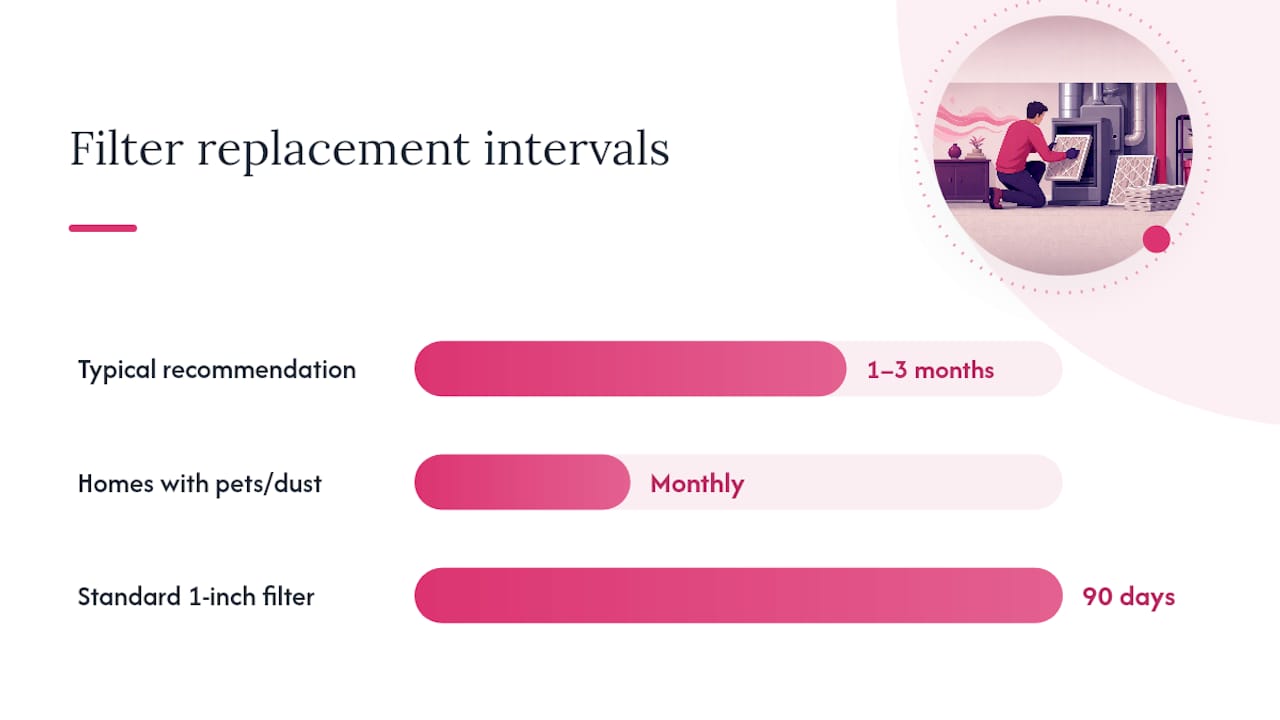
- Replace air filters every 1–3 months. Homes with pets or high dust levels need monthly changes. A standard 1-inch filter in a clean home can go 90 days. A clogged filter is the single most common cause of overheating and odor.
- Keep registers clear. Furniture, rugs, and curtains blocking floor registers restrict airflow and force the system to work harder.
- Check intake and exhaust pipes seasonally. Debris, bird nests, and ice can block high-efficiency furnace vents, causing backdrafting and combustion odors.
- Rodent-proof your vents. Mesh screens over exterior vent openings prevent nesting material from entering ductwork, where it can smolder when heat runs.
Annual professional maintenance (schedule late summer or early fall):
- Burner inspection and cleaning
- Heat exchanger inspection for cracks (a cracked heat exchanger is a CO risk)
- Flue and venting inspection
- Blower motor and belt check
- Electrical connections and control board inspection
- Filter replacement and system test
A professional tune-up typically costs $80–$250 and catches most combustion and venting problems before they become dangerous or expensive. Trucomfortaz’s furnace maintenance guidance covers what to expect from a local service visit in the New River area.
If you have a high-efficiency condensing furnace, also keep the condensate drain line clear. A blocked drain can trigger a shutdown and, in some cases, contribute to moisture-related corrosion on the heat exchanger.
6. Signs your furnace may be dying or needs replacement
A burning smell that keeps coming back after repairs is one of the clearest signs a furnace is approaching the end of its useful life. Most residential furnaces last 15–20 years with proper maintenance. Past that window, the math on repair versus replace shifts quickly.
Watch for these warning signs:
- Persistent burning smell even after a technician has serviced the unit
- Frequent short-cycling (the furnace turns on and off repeatedly without completing a full heating cycle)
- Visible soot or scorching on or around the furnace cabinet
- Yellow or orange burner flame observed through the sight glass
- Noticeably higher gas or electric bills without a change in usage
- Rooms that used to heat evenly now have cold spots
- The heat exchanger has a confirmed crack (this is a replacement-level finding, not a repair)
A cracked heat exchanger is the one defect where repair is rarely the right answer. Replacement parts are expensive, labor is intensive, and a crack that’s repaired can re-crack. If a technician finds a cracked heat exchanger on a furnace older than 12–15 years, ask for a replacement estimate alongside the repair quote. The Trucomfortaz replacement guidance page walks through that decision in detail.
Repeated major repairs on an aging unit are another clear signal. If you’ve spent more than half the cost of a new furnace on repairs in the past two years, replacement is almost always the better financial decision.
7. Carbon monoxide and health: symptoms, detectors, and why you can’t rely on smell
CO is the hazard that makes furnace safety genuinely serious. It has no smell, no color, and no taste. You cannot detect it without a working detector.
Homes with fuel-burning appliances, including furnaces, water heaters, and gas stoves, are at higher risk for CO buildup than all-electric homes. CO symptoms often mimic a viral illness: headache, dizziness, nausea, and fatigue. The key diagnostic clue is that symptoms improve when you leave the house and return when you come back. If that pattern fits, treat it as a CO emergency.
CO is odorless. A burning smell from your furnace does NOT mean CO is present, and the absence of a smell does NOT mean CO is absent. The only reliable protection is a working, UL-listed CO detector on every level of your home and near every sleeping area, tested monthly.
Observable warning signs that suggest a combustion or CO problem:
- Soot or black staining around the furnace cabinet or flue connections
- Loose or missing furnace access panels
- Rust or water streaking on vent pipes or the chimney
- Yellow or orange burner flame (should be blue)
- Excessive moisture on interior windows during heating season
- Frequent burner shutdowns or lockouts
These are the same visual clues the CPSC recommends homeowners look for, with the important caveat that some hidden combustion problems are only detectable by a trained technician with proper instruments.
Detector placement and testing:
- Install one detector on every floor, including the basement.
- Place one within 10 feet of each sleeping area.
- Test every detector monthly by pressing the test button.
- Replace batteries twice a year (many people do this when clocks change for daylight saving time).
- Replace the detector itself every 5–7 years or per the manufacturer’s recommendation.
Annual professional maintenance, which typically runs $80–$250, is the most reliable way to catch combustion and venting issues before CO becomes a risk in your home.
What a local HVAC provider sees most often
Here in the New River and greater Phoenix area, the most common call we get after a homeowner notices a burning smell from their furnace is the seasonal dust burn-off on the first cool night of fall. Arizona winters are mild, which means furnaces can sit dormant for six or seven months. That’s a long time for dust to accumulate on burners and inside ductwork.
The second most common issue is a filter so clogged it’s restricting airflow and causing the heat exchanger to overheat. Both of these are preventable with a fall tune-up and a filter swap before the heating season starts.
What concerns us more are the calls where a homeowner has been ignoring a persistent electrical smell or noticing their CO detector beeping intermittently and assuming it’s a low battery. Those situations can escalate quickly. The guidance in this article reflects what we tell every customer: trust the smell, trust the detector, and don’t run a furnace that’s giving you signals it shouldn’t.
Tru Comfort is ready when your furnace needs attention
When a burning smell from your furnace turns out to be more than seasonal dust, you want a technician who will tell you the truth about what’s wrong, not upsell you on parts you don’t need. Trucomfortaz’s NATE-certified technicians in New River, AZ work on a non-commissioned basis, which means their only job is to diagnose the actual problem and fix it correctly.

A diagnostic visit covers heat exchanger inspection, venting and flue check, electrical and control board review, blower motor assessment, and a full safety test. If the issue is a clogged filter or a foreign object in the ductwork, you’ll know within the first 15 minutes. If it’s something more serious, like a cracked heat exchanger or a failing control board, you’ll get a clear repair versus replace recommendation with honest cost guidance.
For emergency service or to schedule a furnace inspection, visit Trucomfortaz’s furnace services page or call directly. Annual maintenance plans are also available through the Tru Comfort Advantage program for homeowners who want priority scheduling and cost savings on future visits.
Sources
Test your CO detectors monthly and keep a record of your annual furnace service dates. These two habits, combined with the resources below, cover the vast majority of furnace safety risks.
- Carbon Monoxide (CO) Poisoning in Your Home – MN Dept. of Health
- CPSC consumer guide (coguide.pdf)
- Nfpa
- Prevent furnace odors — Better Homes & Gardens
- Why Does My Heater Smell Like It’s Burning? | American Standard®
This article is general information, not a substitute for advice from a qualified doctor. Consult a qualified healthcare professional about your own circumstances before acting on anything here.