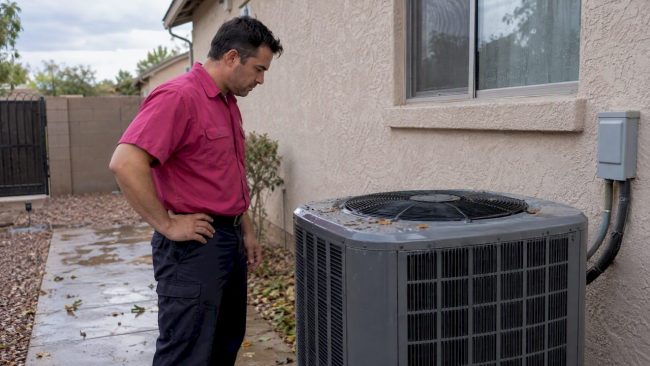
Homeowners: Storm Damage to AC? Restart Safely, Protect Your Claim
Learn how homeowners can spot storm damage to an AC, shut it down safely, restart after an outage, document an insurance claim, and choose qualified help.
Learn how homeowners can spot storm damage to an AC, shut it down safely, restart after an outage, document an insurance claim, and choose qualified help.
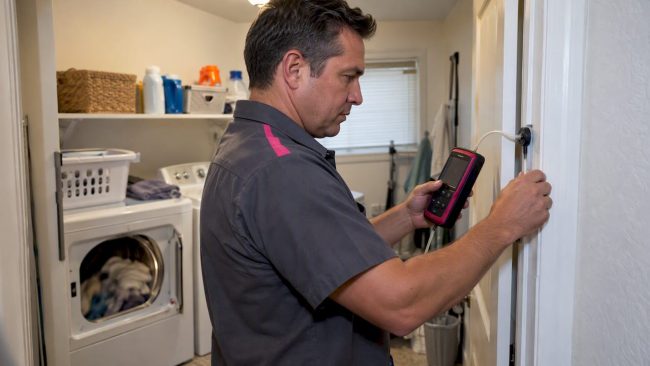
Learn what causes negative pressure in a house, spot warning signs, prioritize combustion safety, test airflow, and make fixes before calling a technician.
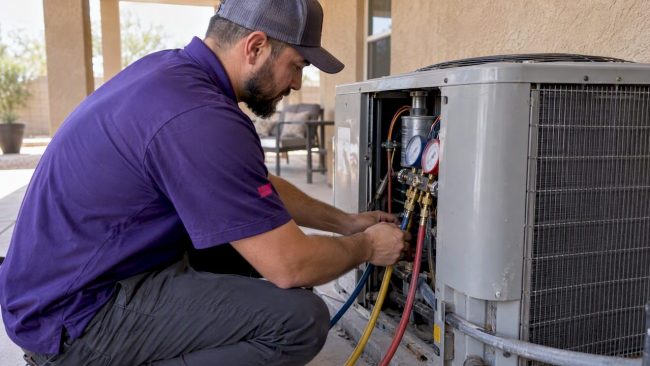
Compare service with reclaimed R22, retrofit refrigerants, and full replacement. Learn what to ask your HVAC contractor before investing in an aging system.
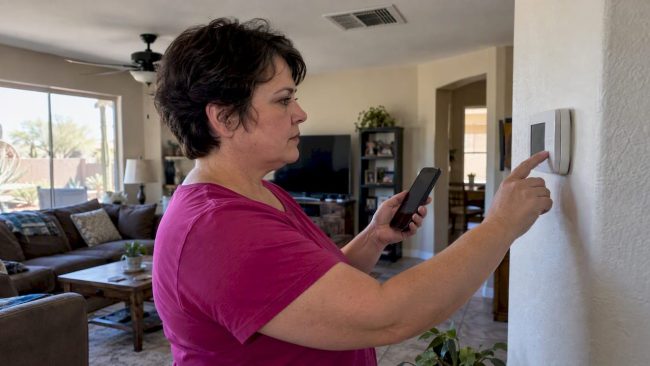
Time AC cycles, check humidity, and track bills before replacing equipment. Ask for Manual J/S, runtime logs, CFM, and duct tests to confirm oversizing.
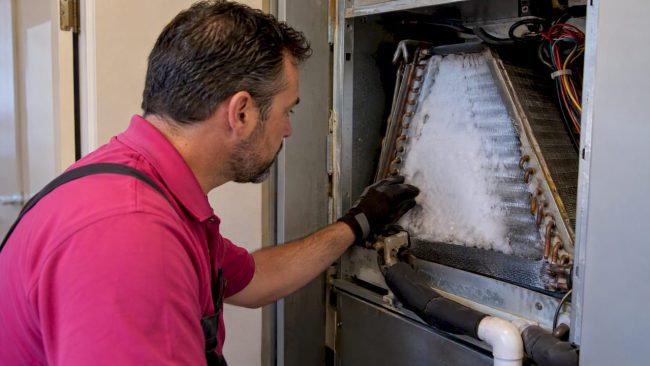
Turn off cooling, thaw the coil safely, check the filter and vents, and call an EPA Section 608 technician if ice returns or leak signs appear.
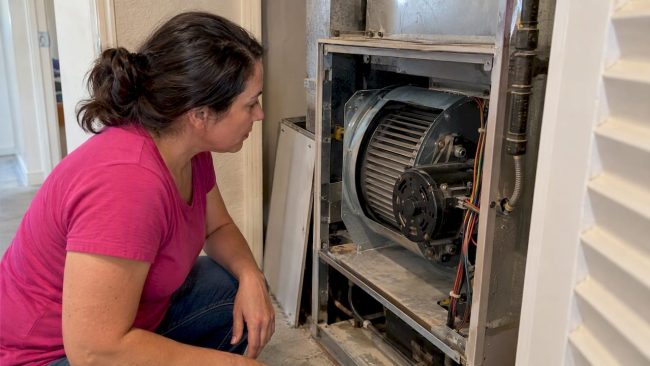
Learn what weak airflow, humming, or short cycling can signal, try five safe furnace checks, spot electrical hazards, and know when to call a technician.
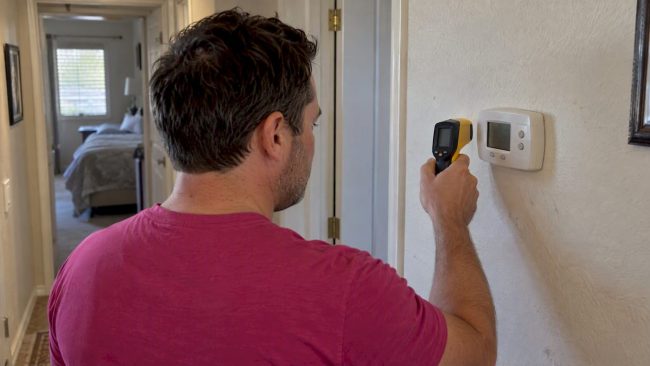
Compare your thermostat with a calibrated thermometer for 15 minutes, spot placement errors, and learn when a NATE certified technician should step in.
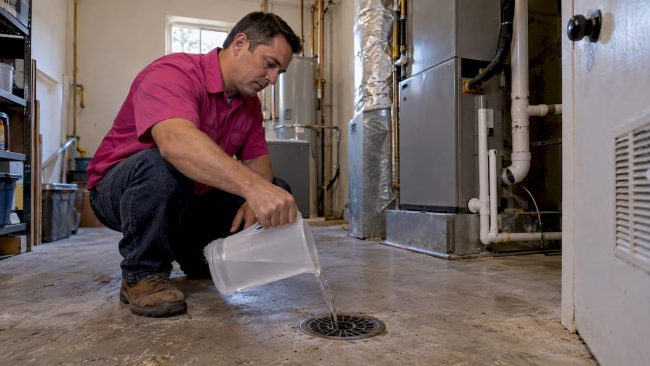
Find the source of sewer smells from vents with safe homeowner checks: refill dry traps, inspect the condensate pan, and know when to call a pro.
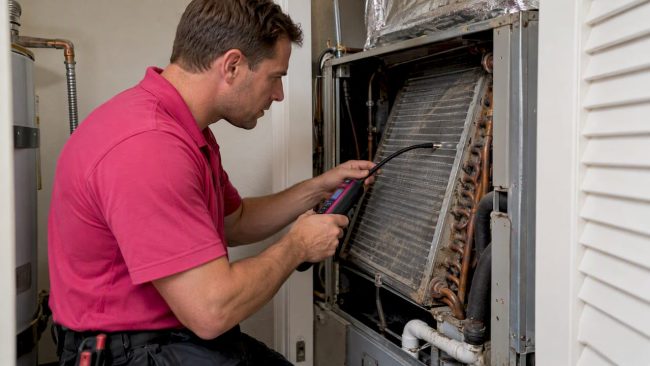
Spot weak airflow, long cooling cycles, water, hissing, or ice, then document what you see and learn when an EPA Section 608 certified technician is needed.
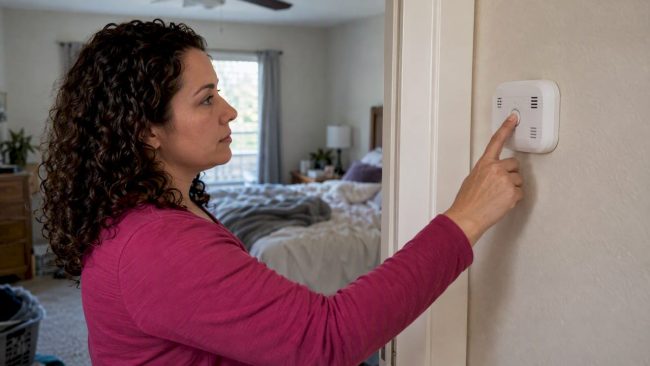
Homeowner’s 7-step fall HVAC checklist: change filters, clear the outdoor unit, test CO alarms, and know which combustion checks need a pro.