Furnace Repair Signs: 9 Warnings Not to Ignore
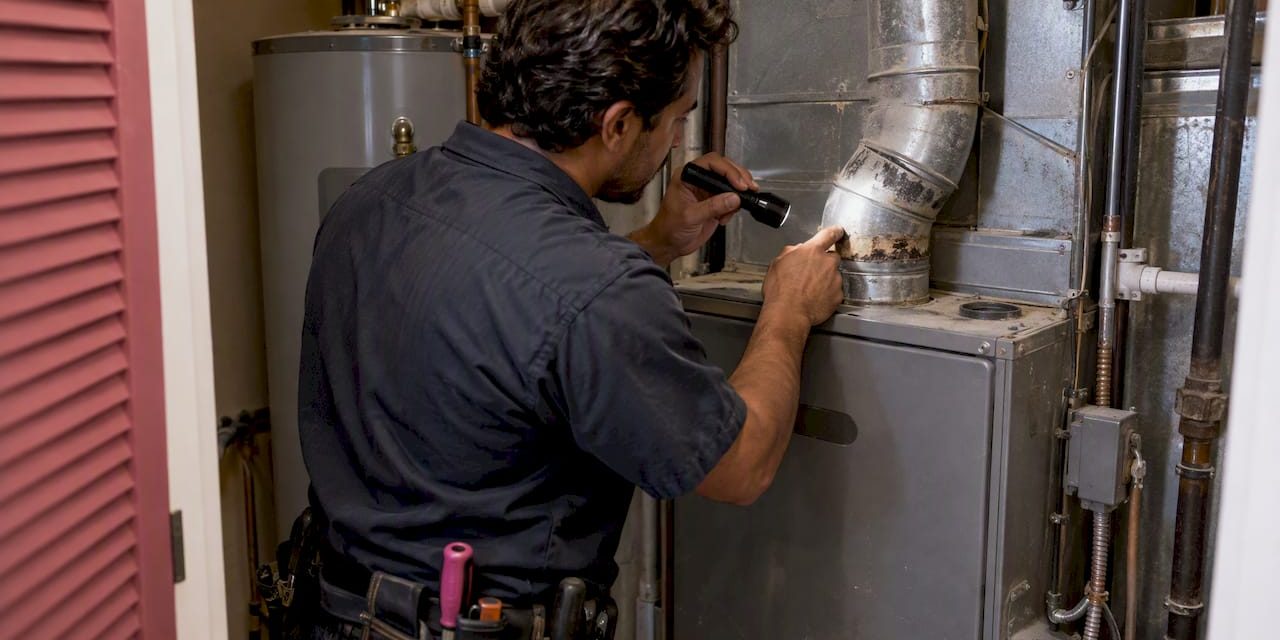
A furnace rarely fails without warning. Weak heat, new noises, a furnace that starts and stops every few minutes, a yellow flame or a heating bill that creeps up are all signs it needs a technician. A few of them (a gas smell, a carbon monoxide alarm, a yellow flame) mean you stop using the furnace and get help right away. The rest give you time, but not unlimited time, because small faults tend to turn into expensive ones.
This guide sorts the signs by urgency, explains what is usually behind each one, shows what you can safely check yourself, and covers when repeated repairs point toward replacement.
TL;DR
- Gas smell, a sounding carbon monoxide alarm or a yellow, flickering flame: stop using the furnace, get fresh air and call for help immediately.
- Weak or uneven heat, short cycling, tripping breakers, new banging or squealing and rising bills are repair signs. Book a visit within days, not months.
- You can safely check the thermostat, the filter and whether vents are open. Anything involving ignition, gas or the burner belongs to a qualified technician.
- A furnace past 15 to 20 years old with repeated repairs is usually a replacement conversation.
Table of Contents
- Signs to act on right now
- Signs your furnace is struggling
- Urgency at a glance
- What you can safely check yourself
- Repair or replace?
- Why Arizona furnaces fail at the worst moment
- Our perspective: why we tell you the sign, not the sales pitch
- Get a technician out before a sign becomes a breakdown
- FAQ
- Sources
Signs to act on right now
These are the signs where waiting is the wrong call. They involve combustion gases, and carbon monoxide (CO) cannot be seen or smelled.
1. A carbon monoxide alarm sounds, or you feel sick at home
The U.S. Consumer Product Safety Commission says carbon monoxide is odorless and colorless. Early symptoms of low to moderate exposure include headache, fatigue, shortness of breath, nausea and dizziness. Heavy exposure can bring confusion, vomiting, loss of coordination, unconsciousness and death.
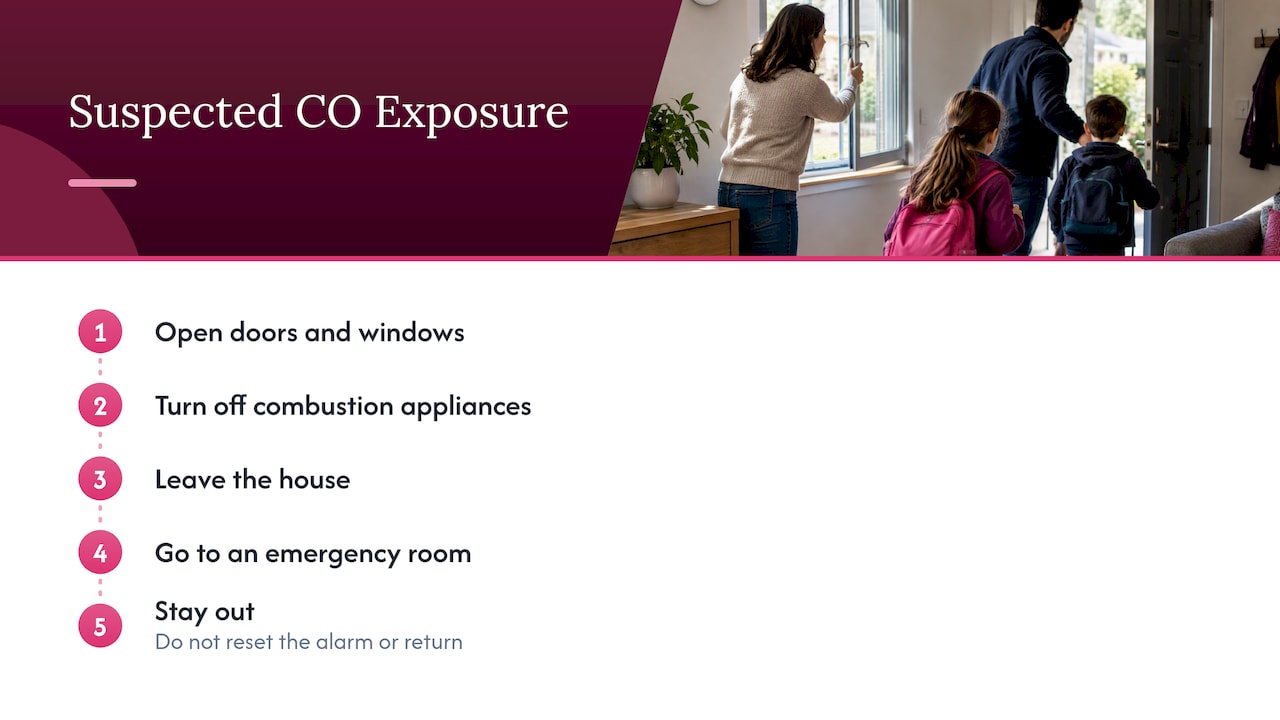
Because those symptoms look like the flu, the EPA points out that the pattern is the clue: symptoms that show up mainly at home and ease when you leave. If an alarm sounds or you suspect poisoning, the Minnesota Department of Commerce’s furnace guidance says to open doors and windows, turn off combustion appliances, leave the house and go to an emergency room. Do not reset the alarm and go back to bed.
We cover the details for our area in carbon monoxide and gas furnace safety in Arizona.
2. You smell gas or rotten eggs
A rotten egg smell near the furnace can indicate a gas leak, as Carrier’s furnace repair guidance notes. Don’t flip switches, light anything or run the furnace. Leave the house and call your gas utility or emergency services from outside. Once the source is found and fixed, a technician should check the furnace before it runs again. Our page on what to do when a furnace smells like gas walks through the steps.
3. A yellow flame, soot or rust around the vent
A healthy gas burner flame is steady and blue. EnergySage lists a yellow flame, rust around the furnace, flue or vent pipes, and heavy condensation on windows or walls as possible signs of unsafe exhaust venting, and advises checking your CO detectors and having the furnace inspected.
The CPSC adds more warning signs of combustion gases entering a home: strange smells, black stains on a chimney or flue, loose or disconnected vents, and blocked or leaking chimneys, flues or vents. If you see any of these, turn the furnace off and have it inspected before using it again.
4. The pilot light keeps going out or won’t stay lit
An older furnace with a standing pilot that keeps blowing out is telling you something: a draft problem, a dirty pilot assembly or a failing thermocouple are common causes. Relighting it again and again is not a fix. Read why a pilot light keeps going out, and if you do relight it, follow the steps to light a furnace pilot light exactly. If it goes out again, call a technician.
Signs your furnace is struggling
These won’t hurt you tonight, but each one means a part is wearing out, a system is out of balance or airflow is restricted.
5. Weak, uneven or no heat
This is the most common complaint and the reason many people search “furnace not heating well.” The causes run from simple to serious:
- Restricted airflow. Carrier lists dirty filters, blocked vents and duct leaks among the causes of weak or uneven heat.
- Thermostat trouble. A thermostat that is misplaced, miswired or failing can misread the temperature, so the furnace shuts off before the house is warm.
- Ignition or burner problems. The furnace tries to start but never produces heat.
- Cold rooms that used to be comfortable. EnergySage counts cold spots and a home that can no longer hold its temperature as signs a furnace needs professional attention.
If the filter is clean and the vents are open and the heat is still weak, stop troubleshooting and book a repair visit.
6. Short cycling or running nonstop
Short cycling means the furnace turns on and off rapidly without finishing a heating cycle. A furnace that runs continuously without reaching the set temperature is the opposite symptom with some of the same causes. Carrier lists dirty filters, thermostat issues, an oversized system, dirty burners, aging equipment and poor insulation as possible reasons, and notes that short cycling reduces efficiency.
Two of those causes are worth a closer look. A dirty filter is a five-minute fix. An oversized furnace is not: it heats the space too fast, shuts off, and repeats. Sizing should come from a load calculation such as ACCA Manual J, not a rule of thumb, which matters if you are replacing a unit, and we explain it in our AC installation process guide. The same logic applies to furnaces.
7. New noises
A furnace hums, clicks and whooshes normally. What counts as a warning is a change:
- Banging or rumbling at startup: often delayed ignition or dirty burners.
- Screeching or squealing: Carrier says screeching may indicate motor bearing failure and banging may mean loose parts.
- Rattling: loose panels or ductwork, which are cheap to fix if caught early.
Write down when the noise happens (at startup, while running, at shutdown) and what it sounds like. That detail helps a technician find the fault faster.
8. Breakers tripping or trouble starting
A furnace that won’t start, or that repeatedly trips its breaker, is drawing more power than it should or has an electrical fault. Resetting the breaker over and over hides the problem and can damage components. Our article on why a breaker keeps tripping explains when to stop resetting. It is written about AC, but the logic applies to any HVAC equipment.
9. Rising bills, extra dust and dry air
When your usage hasn’t changed but your heating bill climbs, efficiency is likely dropping. ENERGY STAR says frequent repairs and rising energy bills may indicate that heating equipment has become less efficient. Excess dust and frequent static shocks can also point to leaky return ducts or poor humidity control, according to Carrier.
Duct problems are easy to blame on the furnace. If dust, uneven rooms and high bills show up together, ask the technician to check the ducts too.
Urgency at a glance
| Sign | What it can mean | What to do |
|---|---|---|
| CO alarm or symptoms at home | Combustion gases in the house | Leave, get fresh air, call emergency services |
| Gas or rotten egg smell | Possible gas leak | Leave, call the gas utility from outside |
| Yellow flame, rust or soot at vent | Poor combustion or venting | Shut off, schedule inspection before reuse |
| Pilot light keeps going out | Draft, dirty pilot or failing sensor | Call for repair |
| Weak or uneven heat | Airflow, thermostat, ignition or duct issue | Check filter and vents, then book repair |
| Short cycling | Dirty filter, sizing, burner issue | Check filter, then book repair |
| New banging or squealing | Loose parts, ignition delay, motor wear | Note the sound, book repair |
| Breaker trips | Electrical fault or overload | Stop resetting, call a technician |
| Rising bills, dust, dry air | Lost efficiency, duct leaks | Schedule inspection and duct check |
What you can safely check yourself
Before you call, spend ten minutes on the checks that carry no risk. Carrier’s troubleshooting guide says homeowners can check thermostat settings, make sure vents are open and unblocked, and replace the air filter, and that ignition problems, strange noises, gas odors or a failed basic fix call for a qualified technician.
- Thermostat: set to Heat, with the target a few degrees above room temperature. Replace the batteries if it has them.
- Filter: if it’s gray and clogged, replace it. Our HVAC maintenance schedule covers how often.
- Vents and returns: make sure furniture, rugs or closed registers aren’t blocking airflow.
- Power: confirm the furnace switch is on and the breaker hasn’t tripped once.
That’s where DIY ends. Do not open the burner compartment, adjust gas valves or bypass safety switches. Those controls exist to prevent fires and CO exposure.
A monthly routine catches many problems early. Our furnace maintenance checklist breaks it into four checks that take 5 to 10 minutes, and the fall HVAC maintenance checklist is the one to run before the first cold snap.
Repair or replace?
One repair on a furnace in good shape is usually worth it. A pattern of repairs on an old one is different. ENERGY STAR says replacement may make sense when a furnace is 15 to 20 years old or older, or when repairs are becoming more frequent and costly, and suggests considering an ENERGY STAR-qualified model for a furnace or boiler over 15 years old. The Minnesota Department of Commerce guide puts the typical lifespan of a well-maintained gas furnace at 15 to 20 years.
A few questions help you decide:
- How old is it? The age is on the data plate inside the cabinet.
- How many repairs in the last two years? Two or three is a trend.
- Is the problem safety-related? A cracked heat exchanger or venting failure on an old unit usually tips the decision toward replacement.
- Are bills rising with no change in use?
We go deeper in when to replace a furnace. For repair cost ranges, see our pages on furnace repair cost and cost per hour.
If you recently bought a home with an older furnace, put it on the list when you work through a post-purchase defect inspection checklist. Heating equipment age and condition are easy to overlook until the first cold night.
Why Arizona furnaces fail at the worst moment
In New River and the Phoenix area, a furnace may sit idle for eight months or more. Dust settles on burners, filters get ignored after a long AC season, and the first real test comes on the first cold night, when every neighbor is also turning heat on. That is why signs like a delayed ignition bang or a pilot that won’t hold often appear in the first week of the heating season.
The practical fix is timing. Run the furnace for a full cycle in early fall, before you need it, and listen and smell as it does. If something is off, you can book a visit before the busy rush. Our rundown of common furnace repairs in New River and Phoenix shows what we see most often.
Our perspective: why we tell you the sign, not the sales pitch
Most furnace calls we run start with a homeowner saying “it’s just not keeping up.” Often the cause is small: a clogged filter, a thermostat in the wrong spot, a sensor that needs cleaning. We would rather tell you that on the phone than sell you a new system.
That’s why our technicians are NATE-certified and non-commissioned. Nobody on our team earns more for recommending a bigger job, so when we say a repair is enough, or that a furnace has reached the end of the road, the advice is based on what we find.
Our rule of thumb is this: sort the sign by risk first, cost second. A rattle can wait a few days. A gas smell, a yellow flame or an alarm cannot. And an annual inspection of the furnace, controls, safety switches and venting is not an upsell. The CPSC has long recommended an annual inspection by a qualified heating contractor for exactly that reason: blockages, cracks, rust and loose fittings can let toxic gases into the home.
Get a technician out before a sign becomes a breakdown
If any sign above sounds familiar, our team handles furnace repair in New River, Arizona and the surrounding area, along with furnace installation and maintenance when repair no longer makes sense. Our Tru Comfort Advantage maintenance plans cover regular inspections so problems get caught before they cost more, and we offer emergency HVAC service when a failure can’t wait.

Tell us what you’re seeing, hearing or smelling, and we’ll tell you honestly whether it’s a quick fix, a repair or something to plan for.
FAQ
How do I know if my furnace needs repair or just a new filter?
Check the filter first. If it’s dirty, replace it and watch the furnace through a full heating cycle. If heat is still weak, the furnace cycles rapidly, or you hear new noises, the filter wasn’t the only problem and you should book a technician.
Is it safe to keep using a furnace that makes noise?
It depends on the noise. A light rattle from a loose panel can wait a few days. Loud banging at startup or a persistent screech can mean ignition delay or a failing motor bearing, so turn the furnace off and have it checked. Any noise paired with a gas smell, soot or a CO alarm means stop and get out.
Why is my furnace running but not heating well?
The usual suspects are a clogged filter, blocked vents, duct leaks, a thermostat misreading the room, or a burner or ignition fault. Rule out the filter, thermostat and vents yourself. If the problem remains, a technician needs to test the system.
How often should a furnace be inspected?
Once a year, before the heating season. The CPSC recommends annual inspection by a qualified heating contractor that covers the furnace, controls, safety switches, chimneys, flues and venting. Our maintenance plans are built around that visit.
When is a furnace too old to keep repairing?
ENERGY STAR points to 15 to 20 years of age, or repairs that are getting more frequent and more costly, as the point to think about replacement. If your furnace is in that range and has needed several repairs, ask for a repair-versus-replace estimate before paying for another major part.
Sources
- CPSC: Carbon Monoxide Fact Sheet
- EPA: Protect Your Family and Yourself from Carbon Monoxide Poisoning
- Minnesota Department of Commerce: Furnace Maintenance & Repairs
- Carrier: Furnace Repair Service, Signs, Costs & Troubleshooting
- EnergySage: Is my furnace dying?
- CPSC: Seasonal Furnace Inspection to Prevent CO Poisonings
- Carrier: Furnace Troubleshooting Guide
- ENERGY STAR: When is it time to replace?
- CPSC: Inspect Home Furnace System For Hazards, Carbon Monoxide