
Skip the 90 Day Rule: Check and Log Your AC Filter for Homeowners
Most 1 inch filters need replacing every 30 to 90 days, while thicker 4 to 5 inch media filters can run 6 to 12 months between changes. The catch is that no fixed calendar rule fits every home. Inspect your filter monthly and replace it sooner if you have pets, allergies, heavy AC runtime, recent renovation dust, or wildfire smoke nearby. A quick visual check today, followed by a simple log over a few months, will tell you your home’s real interval faster than any generic chart.
TL;DR:
- Regularly inspecting filters and logging their condition helps determine the optimal replacement interval, which can be anywhere from 30 days to a year.
- Pet ownership, household allergies, smoke, and heavy AC use significantly accelerate filter loading, requiring more frequent checks and replacements.
- Visible dirt, reduced airflow, or increased energy bills are clear signs a filter needs immediate replacement, regardless of the scheduled date.
- Thicker, deep-pleated filters last longer but may require upgrades to systems capable of handling increased resistance.
- Annual professional inspections can identify underlying duct or blower issues that DIY checks might miss, optimizing filter performance and system longevity.
Table of Contents
- How Often Should You Change Your AC Filter by Type?
- What Household Factors Change Your Filter’s Lifespan?
- How Can You Tell a Filter Needs Replacing?
- When Should You Adjust Your Filter Schedule Seasonally?
- How Do You Change a Filter and Track Your Own Schedule?
- When Does a Filter Problem Call for a Professional?
- Why Calendar Rules Miss the Point
- Let Trucomfortaz Handle the Filter Guesswork
- Sources
- FAQ
How Often Should You Change Your AC Filter by Type?
The right cadence depends heavily on filter thickness and material, not just habit. A thin fiberglass filter loads with dust fast because it has less surface area to trap particles. A deep media filter has room to spread that same dust load across pleats, so it lasts months longer before airflow suffers.
Consumer Reports pegs most disposable filters at a 3 to 12 month lifespan, with basic 1 inch fiberglass filters needing a swap roughly every 30 days and deeper 4 to 5 inch media filters stretching to 6 to 12 months. Higher MERV ratings trap finer particles but also restrict airflow more, so a filter rated above what your system was designed for can strain the blower motor even before it looks visibly dirty.
| Filter type | Typical replacement interval |
|---|---|
| 1″ fiberglass (basic) | About 30 days |
| 1″ pleated (standard) | 60 to 90 days |
| 1″ pleated (high-efficiency) | 30 to 90 days |
| 4 to 5″ deep-pleated media | 6 to 12 months |
| Washable/reusable | Clean every 2 to 4 weeks |
| Whole-house HEPA | 6 to 12 months, per manufacturer |
A few quick takeaways worth remembering:
- Thicker isn’t automatically better unless your system’s cabinet and blower can handle the extra resistance.
- Washable filters need frequent cleaning, not just occasional rinsing, to stay effective.
- Whole-house HEPA units usually come with a manufacturer schedule that overrides generic guidance.
What Household Factors Change Your Filter’s Lifespan?
Pets are the single biggest variable. According to Carrier, one large dog or two small dogs can load a filter significantly faster than a pet-free home, and multiple cats and dogs together can load filters much faster, which means checking filters every few weeks instead of monthly.
Other conditions matter too, and they stack:
- Allergies or asthma in the household: replace filters more often, since a slightly loaded filter still reduces airflow but no longer captures fine allergens as effectively.
- Smokers in the home: particulate buildup accelerates loading similarly to a multi-pet household.
- Larger homes or constant AC runtime: hot climates that run the system nearly nonstop wear through filters faster than moderate, temperate homes.
- Post-construction or renovation dust: drywall dust and debris can clog a filter in days, not weeks.
- Wildfire smoke or heavy pollen events: these spike particulate levels well beyond normal seasonal dust.
Carrier’s own guidance is blunt about the flaw in fixed schedules: a strict 90 day rule is often inaccurate, and replacement should track actual dust accumulation instead of a date on the calendar.
How Can You Tell a Filter Needs Replacing?
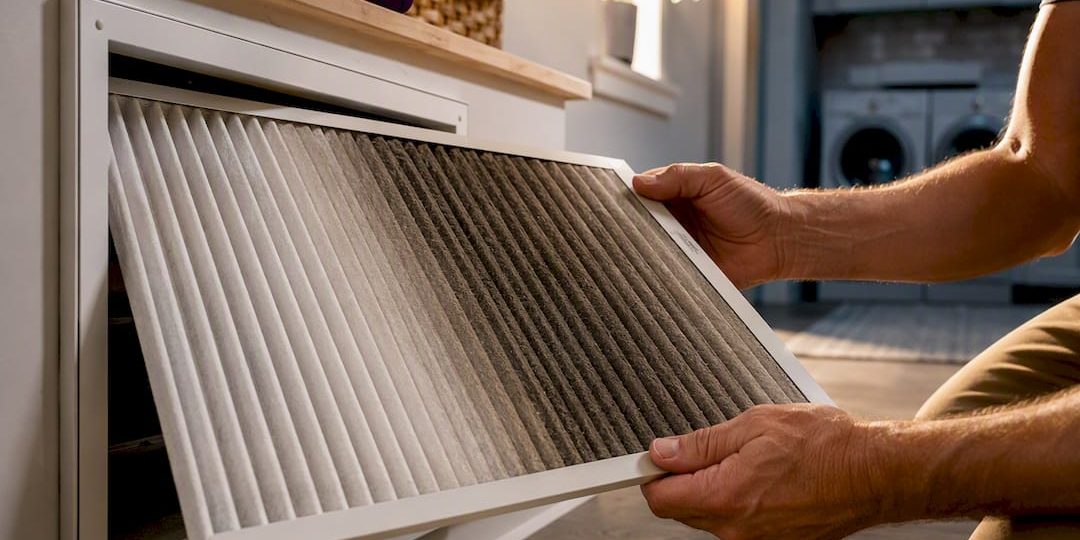
You don’t need tools for this. Pull the filter, hold it up to a light source, and look through it for about 15 to 30 seconds.
- Check light transmission. If you can’t see light passing through the filter material, it’s overdue.
- Look for visible gray or brown buildup, especially clumped dust or pet hair matted across the surface.
- Feel the airflow at your nearest vent. A noticeable drop in airflow strength usually means the filter is restricting the system, not that something else is wrong.
- Notice your energy bills. A steady increase without a change in weather or usage often points to a struggling, clogged filter forcing the blower to work harder.
- Smell for odors. Musty or dusty smells coming from vents can mean a filter has been overloaded for a while.
Replace immediately if you see visible dirt clumps, just finished a renovation, or you’re in the middle of a smoke or high pollen event. If the filter still looks reasonably clean and airflow feels normal, it’s fine to wait another week or two before checking again.
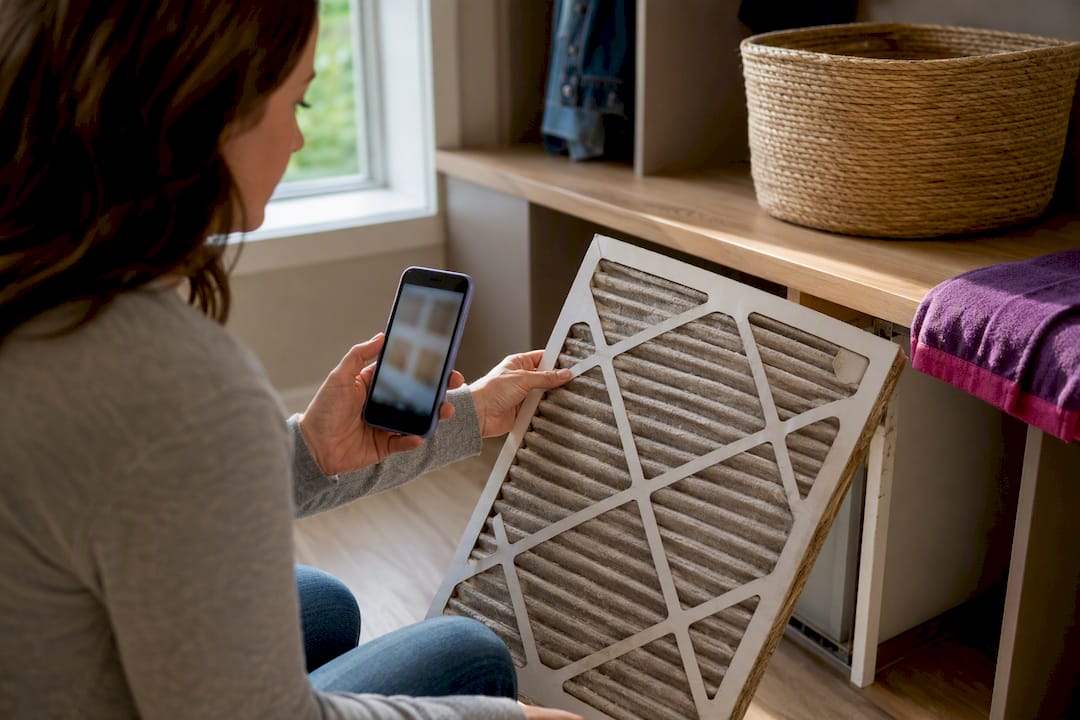
Pro Tip: Snap a photo of your filter every time you check it. Comparing photos side by side makes gradual buildup obvious in a way that a single glance often misses.
If you notice weak airflow that doesn’t improve even with a fresh filter, that’s usually a sign of a deeper issue. Our guide on what to do when your AC isn’t blowing cold air walks through the next steps.
When Should You Adjust Your Filter Schedule Seasonally?
Start each cooling or heating season with a brand-new filter, regardless of when you last changed it. That gives you a clean baseline right as system runtime picks up.
During peak season, check monthly at minimum:
- Summer in hot climates means near-constant AC runtime, which loads filters faster than shoulder-season use.
- Spring pollen season and fall wildfire smoke events call for inspections every 2 weeks rather than monthly, replacing as soon as you see loading.
- Tree pollen “shedding season” in early spring can clog a filter in half its usual time.
- If regional wildfire smoke rolls through, treat it like a renovation dust event: check often, replace fast, don’t wait for a scheduled date.
How Do You Change a Filter and Track Your Own Schedule?
Changing the filter itself takes about five minutes.
- Power down the system at the thermostat before opening the filter compartment.
- Locate the pull direction arrow printed on the filter frame; it should point toward the blower, not away from it.
- Slide out the old filter and inspect it for the signs covered above.
- Note the size and MERV rating printed on the frame so you buy the right replacement.
- Insert the new filter with the arrow facing the correct direction, then restore power.
The step most homeowners skip is logging the change, and it’s the one that actually saves money over time. TheFilterReport recommends tracking date, filter type and MERV rating, observed loading, and the likely cause (pets, renovation, smoke) every time you swap a filter.
- After roughly a year of entries, patterns emerge: maybe your filter always loads heavily by week six, or lasts a full season without much buildup.
- If you’re replacing filters more than once a month despite normal conditions, a deeper 4 to 5 inch media cabinet may be worth the upgrade, since it trades a higher upfront cost for far fewer changes.
When Does a Filter Problem Call for a Professional?
Most filter changes are a five minute DIY task. But recurring rapid loading, measurable airflow loss even with a fresh filter, or interest in upgrading to a higher MERV filter are all signs it’s worth having a professional look at your system.
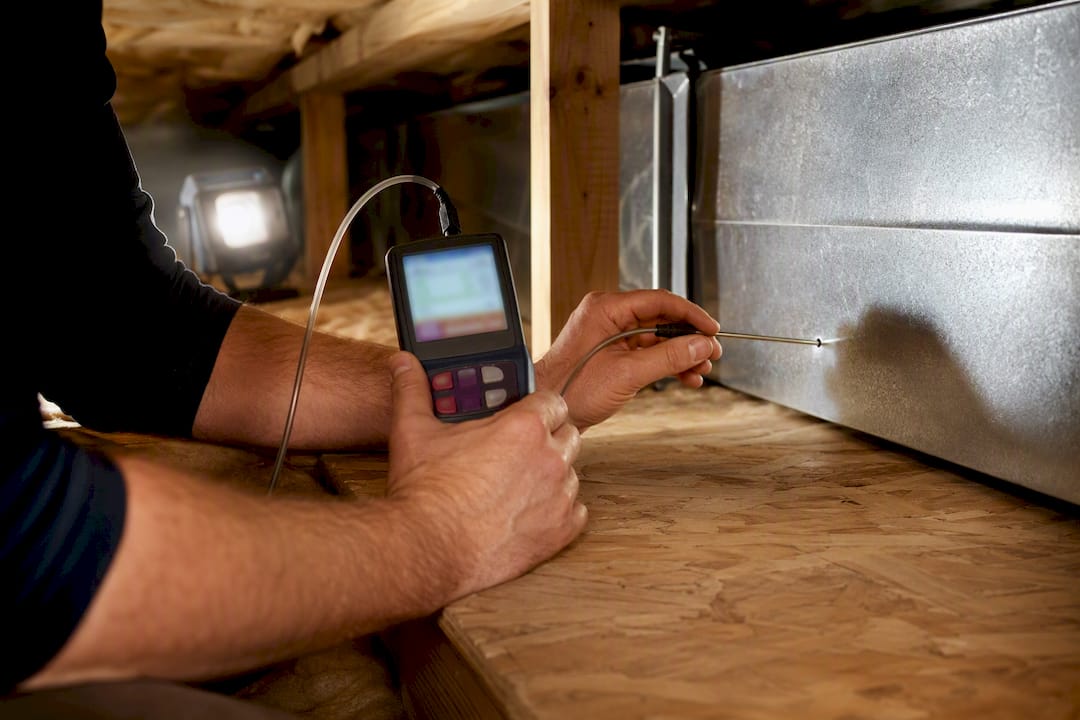
A family-owned HVAC company staffed by NATE-certified technicians who work on a non-commissioned basis provides recommendations based on your system’s actual needs. An annual professional visit typically checks static pressure and airflow in ways a homeowner can’t easily measure at home, catching loading patterns that point to a duct or blower issue rather than just a dirty filter.
Pairing your own monthly checks and log with one yearly professional inspection covers both the easy wins and the issues that need a trained eye. Details on what that visit typically includes are on our AC maintenance checklist.
Why Calendar Rules Miss the Point
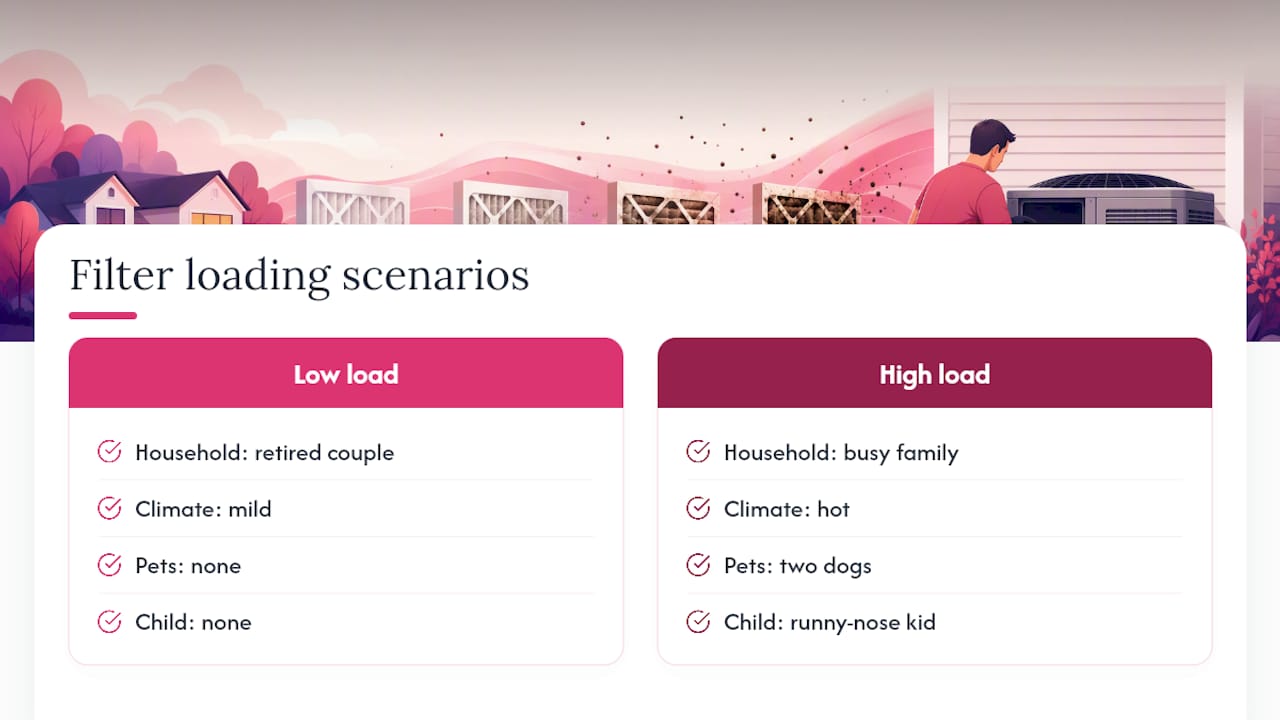
The 90 day rule persists because it’s easy to remember, not because it’s accurate. A retired couple in a mild climate with no pets might genuinely stretch a basic filter past 90 days without much loading. A household with two dogs and a runny-nose kid in a hot climate could clog the same filter in three weeks. Treating those two situations the same is where most filter advice goes wrong.
What the research actually supports is inspection over intuition. A 15 second look at the filter tells you more than any date on a calendar, and a few months of logging tells you more than either. The Purdue research on filter aging is a useful reminder here too: a loaded filter can actually trap particles more efficiently even as it strains your blower, so “looks fine” and “runs fine” aren’t the same test.
My honest take: skip the sticky note that says “change filter every 90 days.” Put a recurring reminder on your phone to check it instead, and let what you actually see decide the timing. That habit costs nothing and beats a guess every time.
Let Trucomfortaz Handle the Filter Guesswork
Logging filter changes for a year is useful, but not everyone wants another home maintenance spreadsheet. Some maintenance plans include a filter check during routine visits along with airflow inspections and recommendations on the right filter type for your system, providing personalized service without requiring you to track it yourself.

A typical maintenance visit covers a filter condition check, an airflow and static pressure reading, and a straight answer on whether your current filter type still matches your system’s needs. That last part matters more than it sounds. A filter that’s technically clean but wrong for your ductwork can still be dragging down efficiency.
If you’d rather have a NATE-certified technician confirm your filter schedule and catch small issues before they become expensive ones, take a look at the AC maintenance checklist and book a visit that fits your home’s actual conditions, not a generic calendar.
Sources
- In-Situ Performance of HVAC Filters Aged with 100% Outdoor Air (Purdue thesis)
- HVAC air filter maintenance and replacement checklist | TheFilterReport
- How often do you need to change your HVAC air filters? | Consumer Reports
FAQ
How do I know if my AC filter needs replacing?
Hold it up to a light source. If light doesn’t pass through easily, or you notice weaker airflow at your vents, it’s time for a fresh one.
What is the $5,000 rule for AC?
The “$5,000 rule” is a repair-versus-replace guideline some technicians use based on multiplying the age of your system by the estimated repair cost as a rough benchmark for deciding between repair and replacement.
How long do AC air filters last?
Most disposable filters last between 3 and 12 months, with thin 1 inch fiberglass filters needing monthly changes and thicker 4 to 5 inch media filters stretching to a year under normal conditions.
Should I change my AC filter every month?
Not necessarily. Check it monthly, but only replace it once you see visible buildup or reduced airflow. Households with pets, allergies, or heavy AC runtime often do need monthly replacement, while lighter-use homes can go longer.