Sewer Smell From Vents? Checks Homeowners Can Do in 15 Minutes
If your vents smell like sewer, it’s most often a dry P-trap or a contaminated HVAC condensate pan, not a sewer line failure. Start by running water into floor drains and any shower or sink you rarely use, then check the condensate pan near your air handler. If anyone in the home has nausea, dizziness, or trouble breathing, ventilate the space right away and get them outside.
TL;DR:
- If odor is strongest at the return vent, suspect the air handler; compare return and supply vents with the HVAC off and running.
- Refill every rarely used drain monthly with about a quart of water; add a few tablespoons of cooking oil to slow evaporation between uses.
- Clean the condensate pan with mild dish soap and flush its line with distilled white vinegar; bleach can damage PVC fittings with rubber gaskets.
- A strong, persistent rotten egg odor with headache or nausea needs urgent attention; hydrogen sulfide can dull the sense of smell at high concentrations.
- Call a plumber or HVAC technician if odor returns after trap refills or pan cleaning, or if drains gurgle, run slowly, or back up.
Table of Contents
- Why vents smell like sewer: likely causes and how HVAC spreads odor
- Quick homeowner checks to confirm vents are the source
- Practical fixes and maintenance homeowners can perform safely
- When to call a plumber or HVAC technician
- Tru Comfort-style technician checks and preventative service advice
- Habits that keep vent odors from coming back
- Services that solve persistent vent sewage odors
- FAQ
- Sources
Why vents smell like sewer: likely causes and how HVAC spreads odor
A sewer smell coming from your air vents almost always starts somewhere other than the ductwork itself. Every drain in your home, including floor drains in mechanical rooms, basements, and laundry areas, has a P-trap: a curved section of pipe that holds a small amount of water to block sewer gas from rising back into the house. When a drain goes unused for weeks, that water evaporates and the seal disappears, letting gas drift up and into the nearest air current.
According to the South Davis Sewer District, mechanical room floor drains dry out faster than other fixtures because of heat and low humidity, which makes them a frequent source of sewer odor complaints. Once that gas is in the air near your furnace or air handler, the blower fan does the rest, pulling it through return ducts and pushing it out through every supply vent in the house.
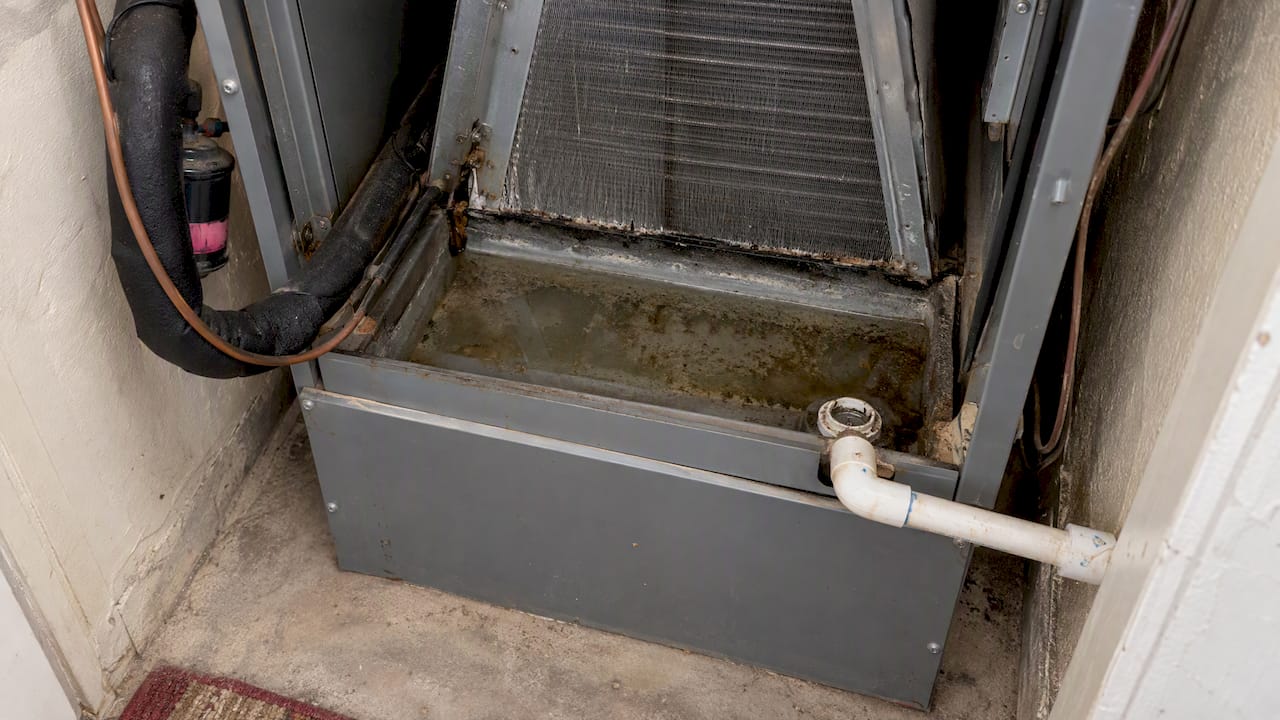
A second common source has nothing to do with plumbing at all. Your HVAC condensate pan collects water pulled from humid indoor air, and if the drain line clogs or the pan sits with standing water, mold and bacteria grow quickly and produce a sour, sometimes sewage-like smell that the blower then circulates.
Outdoor factors can contribute too. EPA guidance notes that sewer vents located too close to fresh-air intakes can let gas enter the system directly, especially during certain wind or pressure conditions.
Common culprits, in order of likelihood:
- Dry P-traps in floor drains, utility sinks, or guest bathrooms used rarely
- Condensate pan or line buildup with mold, bacteria, or standing water
- Mold growth on evaporator coils inside the air handler
- Sewer vent pipes or plumbing stacks sited too close to outdoor air intakes
- Duct leaks near the air handler pulling in air from a crawlspace or mechanical room
Quick homeowner checks to confirm vents are the source
Before calling anyone, you can narrow this down in about fifteen minutes.
- Turn the HVAC system off and smell near a supply vent, then a return vent; next turn the system on and repeat at both to see if the smell gets stronger with airflow.
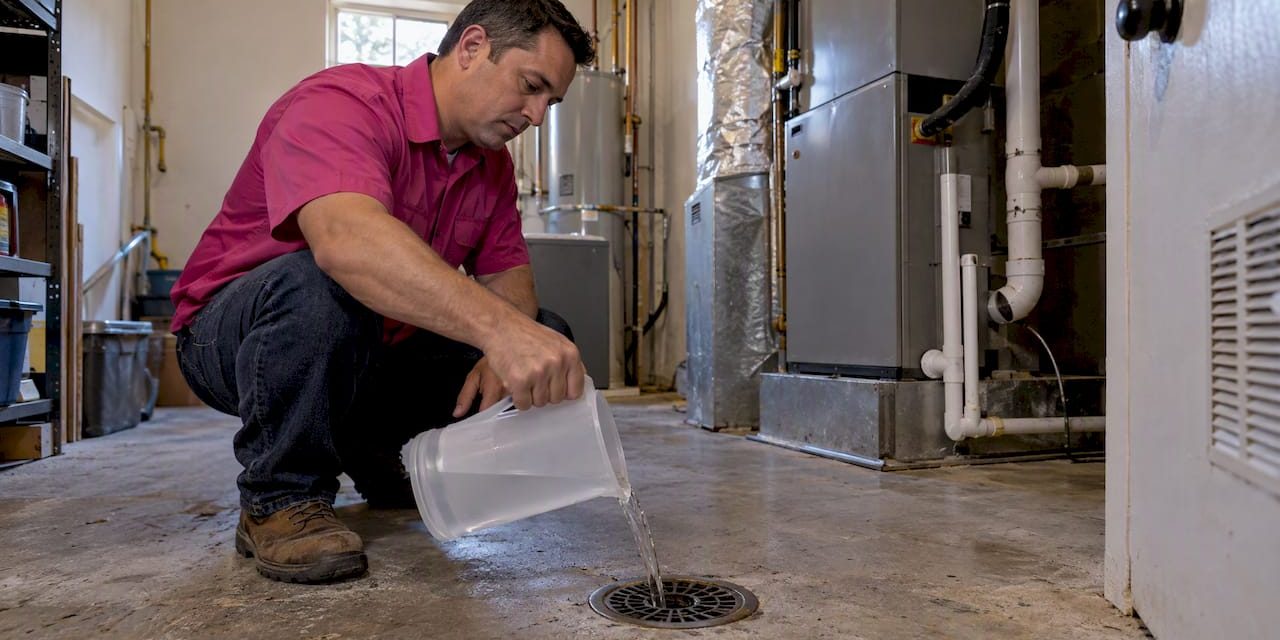
- Run water for 30 seconds in every floor drain, rarely used shower, and guest bathroom sink to refill any dry traps.
- Check for trap primers on floor drains; if present, confirm they’re connected to a working water supply.
- Open the air handler access panel and look at the condensate pan for slime, standing water, or a sour smell.
- Check outside near fresh-air intakes for recent plumbing work, a nearby vent stack, or sewer cleanout activity.
Pro Tip: Smell the return vent first. If the odor is strongest there, the source is almost certainly inside the HVAC system, not a specific room’s plumbing.
Treat a strong, persistent rotten-egg smell paired with headache, nausea, or breathing trouble as urgent. The CDC’s ATSDR fact sheet on hydrogen sulfide warns that people can lose their ability to smell the gas at higher concentrations, so the absence of a strong odor doesn’t always mean the air is safe.
Practical fixes and maintenance homeowners can perform safely
Most vent sewer smells respond to a handful of simple, low-risk fixes.
- Pour roughly a quart of water into every dry floor drain and infrequently used fixture to refill dry traps and prevent sewer odors; repeat monthly going forward, or sooner if the smell returns within days, as explained in common sewer smell causes and quick fixes.
- Add a few tablespoons of cooking oil on top of the water in rarely used drains to slow evaporation between uses.
- Clean the condensate pan with a mix of water and mild dish soap, then flush the drain line with a cup of distilled white vinegar; a wet/dry vacuum at the line’s exterior outlet can clear a stubborn clog.
- Replace your HVAC filter if it’s been more than three months, and rinse any washable return grille pre-filters.
- Inspect visible ductwork near the air handler for gaps or disconnected joints and seal them with mastic or foil tape rather than fragrance sprays, which only mask the problem.
Pro Tip: Never pour bleach into a condensate line connected to PVC with rubber gaskets; vinegar does the same job without the risk of damaging seals.
Stop the DIY approach and call a professional if the smell returns within a day or two of refilling traps, if you can’t locate standing water or slime in the condensate pan, or if you suspect the odor is coming from inside wall cavities or a crawlspace rather than a single fixture. At that point you’re likely dealing with a line clog, a cracked drain pipe, or a musty AC smell tied to coil growth that needs equipment-level cleaning.
When to call a plumber or HVAC technician
Some situations call for a professional rather than another round of DIY troubleshooting.
- The smell persists or spreads to more rooms after you’ve refilled every trap and cleaned the condensate pan.
- You notice gurgling drains, slow drainage throughout the house, or sewage backing up, which point to a main sewer line issue rather than a single dry trap.
- Anyone in the home experiences severe nausea, fainting, or difficulty breathing; leave the area, ventilate, and seek medical attention before resuming troubleshooting.
- You want confirmation through proper diagnostics: trap primer checks, inspection of vent routing near outdoor intakes, a video sewer line inspection, or a duct pressure test to see whether a leak is actively drawing in gas.
A technician can also check whether a leaky duct near the air handler is pulling contaminated air from a crawlspace, something that’s difficult to confirm without pressure-testing equipment.
Tru Comfort-style technician checks and preventative service advice
A thorough HVAC inspection for odor complaints typically covers several points most homeowners can’t fully check themselves:
- Condensate pan and drain line condition, including slope, clogs, and signs of bacterial growth
- Trap depth and clean-out access on the condensate line itself
- Evaporator coil cleanliness, since mold on coils is a frequent source of sour or musty air
- Duct seams and connections near the air handler for leaks that could pull in gas from a mechanical room or crawlspace
- Overall airflow balance, since a pressure imbalance can actively draw sewer gas through a weak trap seal
Annual maintenance catches most of these issues before they produce a noticeable smell, since a clean coil and a properly draining condensate line rarely grow the bacteria that cause odor in the first place. A typical diagnostic visit includes this checklist plus a review of your filter condition and blower performance, with specific repair recommendations if something’s out of spec.
Habits that keep vent odors from coming back
In the field, the houses that never call about vent odors are the ones where someone runs water through every drain once a month and gets the condensate line checked each spring. A trap primer costs little next to an emergency plumbing visit, and a maintenance plan catches a slow-draining condensate line before it becomes a mold problem. Small, regular habits beat reactive fixes every time.
Services that solve persistent vent sewage odors
We handle the HVAC side of this problem directly: condensate drain cleaning, air handler and coil service, duct inspection and sealing, and emergency visits when the smell shows up without warning.

- Air conditioner maintenance and repair covering condensate pans, coils, and drain lines
- Duct installation and sealing services to stop leaks that pull in contaminated air
- Tru Comfort Advantage maintenance plans that include seasonal condensate and coil checks
- Emergency HVAC service for odors tied to equipment rather than plumbing
Our technicians work on a non-commissioned basis, so a diagnostic visit focuses on finding the actual source rather than selling a repair you don’t need. Reach out through Trucomfortaz to schedule a visit and get a straight answer about what’s causing the smell.
FAQ
How to stop sewer vent smell?
Run water into every floor drain and rarely used fixture to refill dry P-traps, then clean the condensate pan and drain line on your HVAC system. If the smell returns within a few days, a plumber or HVAC technician should check for a line clog, a cracked trap, or a duct leak pulling in contaminated air.
Why does my house smell like sewage even though nothing is clogged?
A dry P-trap in a rarely used drain, such as a floor drain or guest bathroom, can let sewer gas rise into the house without any clog at all. According to the South Davis Sewer District, these traps simply need water refilled periodically to restore the seal.
What neutralizes sewer smell?
Refilling the trap with water, rather than masking the odor with fragrance, removes the actual path for gas to enter your home. For condensate pans and lines, a vinegar flush clears mold and bacteria buildup without damaging plastic fittings the way bleach can.
Is sewer gas smell an emergency?
A faint, occasional odor usually isn’t an emergency and often traces back to a dry trap. The CDC’s ATSDR guidance on hydrogen sulfide notes that a strong, persistent smell paired with headache, nausea, or breathing difficulty should be treated seriously, since people can lose the ability to smell the gas at higher concentrations.
Sources
These sources back the guidance above and are worth reading directly if you want more detail on the mechanics or health context.
- What’s That Smell? Understanding Sewer Odors and P-Traps – South Davis Sewer District
- Controlling Pollutants and Sources: Indoor Air Quality Design Tools for Schools | US EPA
- Hydrogen Sulfide – ToxFAQs™