Homeowners: 3 Free DIY Checks That Catch Most Return Air Problems
Return air problems mean your HVAC system can’t pull enough air back through the ducts to match what it’s pushing out, and that mismatch chokes the whole system. Check your air filter first, since a clogged one is the single most common culprit. Then look at the return grille itself for anything blocking it. If symptoms persist after both checks, the fix probably lives in the ductwork, not the equipment.
TL;DR:
- Checking and replacing clogged filters often resolves over 50% of return air flow issues before more costly repairs are needed.
- Closing interior doors without proper transfer pathways creates pressure imbalances that can cause pressure buildup and poor airflow in rooms.
- Difficulties like doors sticking and dust buildup around grilles indicate restricted return airflow, which can be diagnosed with simple tissue tests and visual inspections.
- Persistent problems after basic checks suggest duct leaks, blockages, or improper sizing, requiring pressure testing and professional sealing or duct replacement.
- Regular maintenance, including seasonal filter changes and pre-planning for renovations, helps prevent return air problems and keeps HVAC systems balanced.
Table of Contents
- What Symptoms Point to a Return Air Problem?
- What Causes Poor Return Airflow?
- How Do You Diagnose a Return Air Problem Yourself?
- What Are the Best Fixes for Return Air Problems?
- How Do You Prevent Return Air Problems From Coming Back?
- What a Tech Actually Checks During a Return Air Visit
- A Straight Answer on When to Call a Pro
- Get a Return Air System That Actually Works
- Sources
- FAQ
What Symptoms Point to a Return Air Problem?
The return side of your system rarely announces itself directly. Instead, you get a collection of smaller annoyances that homeowners often blame on the wrong thing, like an aging thermostat or an undersized air conditioner.
Watch for these signs:
- Uneven temperatures between rooms, especially with doors closed
- Weak airflow at supply vents even though you can hear the system running
- Longer run times and higher energy bills without a clear weather explanation
- Reduced humidity control, leaving rooms feeling sticky in summer
- Dust buildup around return grilles, plus whistling or hissing noises near closed doors
- Doors that stick or become hard to open and close only when the system is on
That last one surprises most people, but it’s one of the clearest tells. If a bedroom door pushes back when you try to open it while the air handler runs, the room is pressurized because air has nowhere to escape. It came in through the supply vent and has no return path out.
What Causes Poor Return Airflow?
Most return air problems trace back to one of five physical issues, and they’re rarely exotic.
- Clogged filters. A dirty air filter can cut return airflow by up to 50%, forcing the blower to work far harder just to move a fraction of the air it needs.
- Too few or undersized return grilles, particularly in homes built around a single central return that assumes every door stays open.
- Closed interior doors with no transfer path, which creates the pressure imbalance described above.
- Crushed or disconnected flex duct, duct leaks, and returns that accidentally draw air from an attic or crawl space instead of the room they’re supposed to serve.
- Building cavities used as makeshift returns. They’re nearly impossible to seal properly and tend to pull in dust, humidity, and contaminants instead of clean room air.
The pressure math is real. A field study on residential air pathways found that closing interior doors while the air handler ran increased infiltration rates appreciably. That’s outside air, not conditioned air, getting pulled into the house to relieve the pressure your closed door created.
How Do You Diagnose a Return Air Problem Yourself?
Work through these checks in order. Each one either confirms or rules out a specific cause before you spend money on a repair.
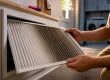
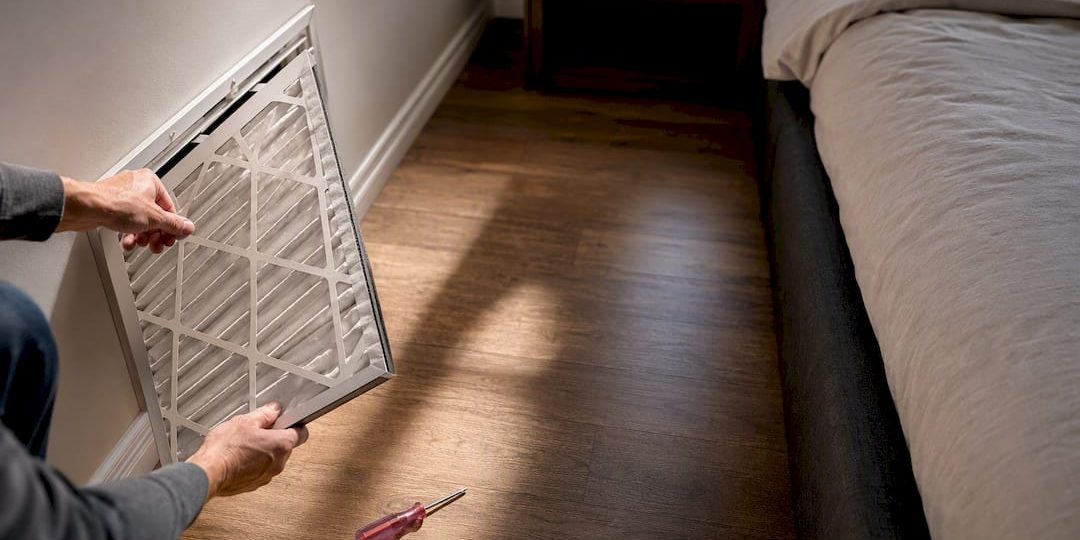
- Inspect the filter. Pull it out and hold it up to a light. If you can’t see light through it, replace it immediately. This step alone resolves a surprising share of complaints.
- Run the tissue test. Hold a tissue near a supply vent (it should flutter outward) and near a return grille (it should pull inward). A weak or absent pull at the return is a strong sign of restriction.
- Try the door test. Compare comfort and airflow with a problem room’s door open versus closed. A big difference points straight to inadequate return capacity for that room.
- Look for visible blockage. Check whether furniture, rugs, or curtains are covering the return grille, and peek at any accessible duct runs for crushed or disconnected flex.
- Know when to stop. If checks 1 through 4 don’t explain the problem, or you suspect a combustion appliance is affected, it’s time for professional pressure testing rather than more guesswork.
Pro Tip: Never rely on “it feels better” as your diagnostic standard. A technician with a manometer can measure the actual pressure differential in Pascals and tell you objectively whether a room is starved for return air or just needs a filter change.
What Are the Best Fixes for Return Air Problems?
The right fix depends on how far the problem goes, and jumping straight to the most aggressive option usually wastes money.
Low-cost DIY moves come first: replace or clean the filter, clear anything blocking the grille, and rearrange furniture that’s choking airflow. These fixes cost little and solve a real percentage of cases outright.
Mid-cost retrofits step up from there. Transfer grilles and jump ducts let air move from a closed room back toward the central return without needing a full duct run, and they tend to outperform simply undercutting a door, especially over carpet, where the gap rarely moves enough air on its own. A licensed installer sizes these properly so they don’t just trade one bottleneck for another.
Professional repairs cover the rest: sealing leaky ducts with mastic, replacing collapsed flex duct, and adding dedicated ducted returns where the design never had enough capacity to begin with. This is also where a tech should catch the riskiest mistake homeowners make: opening a return path into an attic, crawl space, or a spot too close to a combustion appliance, which can pull in contaminated air or, worse, backdraft flue gases.
| Fix type | Typical cost | Best for |
|---|---|---|
| Filter replacement / grille clearing | Low | First response to almost any symptom |
| Transfer grille or jump duct | Moderate | Closed rooms on a central return system |
| Duct sealing or new ducted return | Higher | Chronic pressure imbalance, high bills, comfort complaints across multiple rooms |
Quick fixes buy relief. A properly designed return system, sized under ACCA Manual D guidance, buys years of it.
How Do You Prevent Return Air Problems From Coming Back?
Prevention is cheaper than any repair on this list, and most of it comes down to habits rather than hardware.
- Replace filters on a fixed schedule, not just when they look dirty. Higher-MERV filters trap more, but they can also restrict airflow if your system wasn’t built for them, so match the rating to your equipment and change high-MERV filters more often.
- Walk your returns each season and clear anything piling up against the grille.
- Include return airflow in your annual HVAC maintenance visit, not just the outdoor condenser.
- If you’re renovating or adding a room, plan the return path before the drywall goes up. Retrofitting a return later always costs more than designing it in from the start.
What a Tech Actually Checks During a Return Air Visit
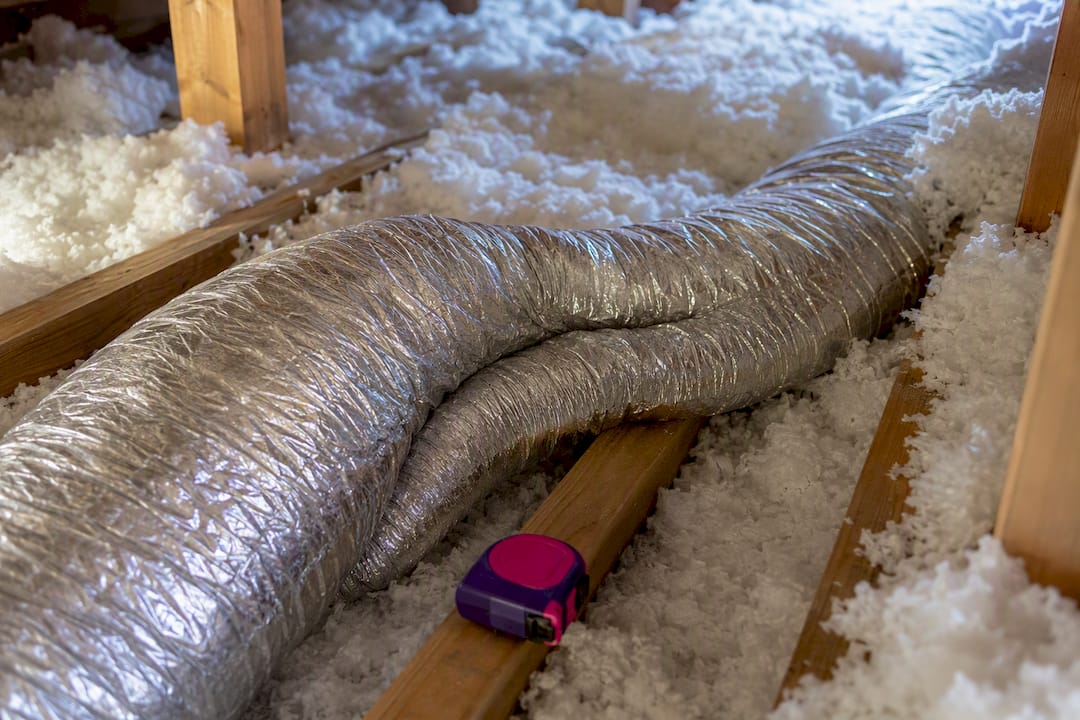
Field visits usually turn up the same short list: a filter nobody’s changed in months, a flex duct crushed under insulation, or a bedroom with zero return path back to the system. A proper inspection measures static pressure and airflow directly with a manometer, not guesswork. NATE-certified technicians trained on real return-side diagnostics catch what a visual check alone will miss.
A Straight Answer on When to Call a Pro
Run the filter check, the tissue test, and the door test yourself. Those three catch a real share of return air problems for free. But once you’re past them and the symptoms remain, stop guessing and get a pressure test. A ducted return or a properly sealed duct run costs more upfront than a jump duct, yet it solves the problem instead of masking it. Verification beats iteration every time.
Get a Return Air System That Actually Works
If everything above points to a duct problem rather than a five-minute filter swap, homeowners can benefit from a technician who pressure-tests the system, shows you the actual numbers, and quotes the fix before touching anything.

A typical visit includes a full duct inspection, pressure testing with a manometer, duct sealing where leaks turn up, and, when a room genuinely needs it, adding a properly sized return or transfer grille. You’ll get a written quote with options, not a single take-it-or-leave-it number, and a safety check to rule out anything drawing air from an attic or near a combustion appliance. Homeowners who want to stay ahead of this can also ask about a maintenance plan that includes seasonal return airflow checks. Ready to find out what your system’s actual pressure numbers look like? Schedule a duct evaluation and get a real diagnosis instead of another filter guess.
Sources
- How Central Return Grilles Create Unintentional Comfort Problems, and How to Solve Them
- Unbalanced Return Air in Residences: Causes, Consequences, and Solutions (FSEC study)
- Ducted returns resource guide (PNNL / BASC)
FAQ
What can I do if my return air vent isn’t working?
Start by checking the filter and clearing any physical blockage around the grille. If airflow stays weak after that, the duct behind it may be crushed, disconnected, or undersized, which calls for a technician’s inspection.
Can you have too much return air in an HVAC system?
It’s uncommon, but oversized or excessive returns can throw off the balance between supply and return airflow just as poorly as too little. Correct sizing, guided by ACCA Manual D, matters more than simply adding more returns.
What are the signs of a bad air return vent?
Whistling noises, visible dust rings, doors that resist opening near the vent, and weak pull when you hold a tissue near the grille all point to a restricted or failing return.
What happens if a return vent is blocked?
The blower struggles to pull air back to the system, which drops overall airflow, extends run times, raises energy bills, and can eventually lead to coil icing or poor humidity control throughout the house.