Heat Pump Not Heating? Quick Checks Homeowners Can Try
A heat pump not heating usually traces back to one of five things: a thermostat set wrong, a dirty filter choking airflow, the outdoor unit stuck in a defrost cycle, a tripped breaker, or a genuine mechanical fault like a refrigerant leak or stuck reversing valve. The first two are the most common by far, and both take less than five minutes to check.
Start here, in this order:
- Confirm the thermostat is set to “heat,” not “auto” cooling, and the setpoint is a few degrees above room temperature.
- Set the fan to “auto,” not “on.” A fan stuck running will blow cool air between heating cycles and make the system feel broken when it isn’t.
- Pull the air filter and hold it up to a light. If you can’t see light through it, replace it.
- Walk outside and check that the outdoor unit isn’t buried in leaves, snow, or a fallen branch, and confirm both the indoor and outdoor disconnect switches are on.
- Check your breaker panel for a tripped switch.
If those checks don’t bring the heat back, a controlled reset (power off for 60 seconds, then back on) sometimes clears a control-board hiccup. If the system trips the breaker again or the outdoor coil stays iced over, stop troubleshooting and call a licensed technician.
Pro Tip: Before you touch a breaker, note the exact model number on the outdoor unit’s data plate. A technician will ask for it immediately, and having it ready shaves real time off a service call.
Key Takeaways
A heat pump not heating almost always starts with a simple, checkable cause before it points to a mechanical fault that needs a licensed technician.
| Point | Details |
|---|---|
| Check settings first | Confirm thermostat mode, setpoint, and fan setting before assuming a mechanical failure. |
| Normal defrost is brief | Expect defrost cycles of a few minutes every 30 to 120 minutes; longer or repeated cycles signal trouble. |
| Watch for the real red flags | Thick ice that won’t clear, a breaker that keeps tripping, and constant AUX heat all mean it’s time to call a pro. |
| Cold weather has limits | Heat pump capacity drops as outdoor temperature falls, which can look like a fault but isn’t. |
| Get a certified diagnosis | Trucomfortaz’s NATE-certified technicians run a full diagnostic and provide a written estimate before any repair. |
Table of Contents
- Heat Pump Not Heating: A Step-by-Step DIY Checklist
- Mechanical Faults That Need a Licensed Technician
- Why Your Heat Pump Blows Cool Air Sometimes (And When That’s Normal)
- What a Technician Actually Checks During a Service Visit
- Checking the Auxiliary or Emergency Heating System
- Inspecting the Pilot Light and Ignition System on Gas Backup Units
- Drainage and Condensate Issues Affecting Operation
- Common Error Codes and What They Mean
- How Cold Weather Limits What a Heat Pump Can Do
- Editorial Take: Heat Pump Not Heating? Prioritize This First
- Get a Straight Answer From a Licensed Technician
- Frequently Asked Questions
- Sources
Heat Pump Not Heating: A Step-by-Step DIY Checklist
Work through these in order. Each one rules out a simple cause before you move to something that might need a professional.
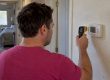
- Check the thermostat mode and setpoint. It sounds obvious, but a thermostat accidentally bumped to “cool” or “off” is one of the most common reasons for a no-heat call.
- Check the fan setting. “Auto” cycles the fan with the compressor. “On” runs it constantly, which pushes cool air through the ducts between heating cycles and mimics a system failure.
- Look for an AUX or emergency heat lockout. If your thermostat shows an “AUX heat” or “EM heat” light stuck on, the system may have kicked into backup heat because it can’t complete a normal heating cycle, which usually points to a mechanical issue underneath.
- Pull and inspect the air filter, and check supply and return vents. A clogged filter or blocked vent starves the system of airflow, which can trigger safety shutoffs and freeze the indoor coil.
- Confirm power at both units. Check the indoor disconnect, the outdoor disconnect, and the breaker panel. A tripped breaker that resets and trips again is a sign of an electrical fault, not a fluke.
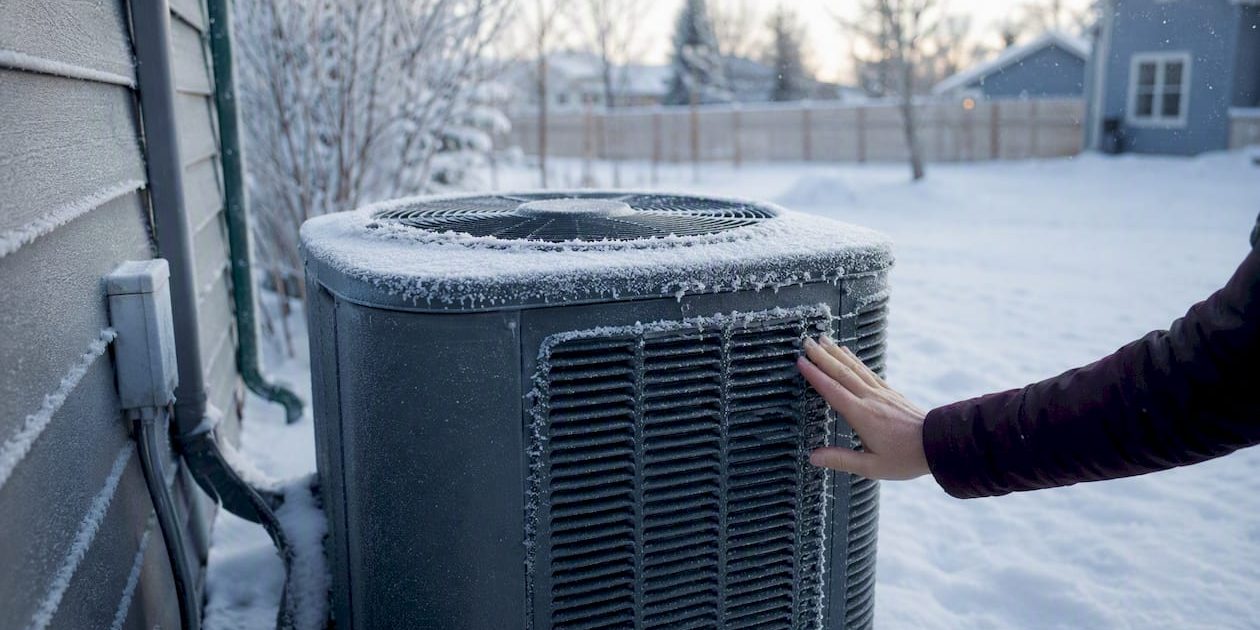
- Watch the outdoor unit. Frost on the coil during a short cycle is normal. A fan that won’t spin, grinding noises, or a coil coated in thick ice that doesn’t clear after 15 to 20 minutes are not.
- Time the defrost cycle if you see frost. Normal defrost cycles run a few minutes and repeat every 30 to 120 minutes depending on outdoor humidity and temperature. Anything that drags on well past that window deserves a second look.
Only flip breakers you’re comfortable with, and always follow the manufacturer’s shutoff procedure printed inside the panel cover before touching anything electrical.
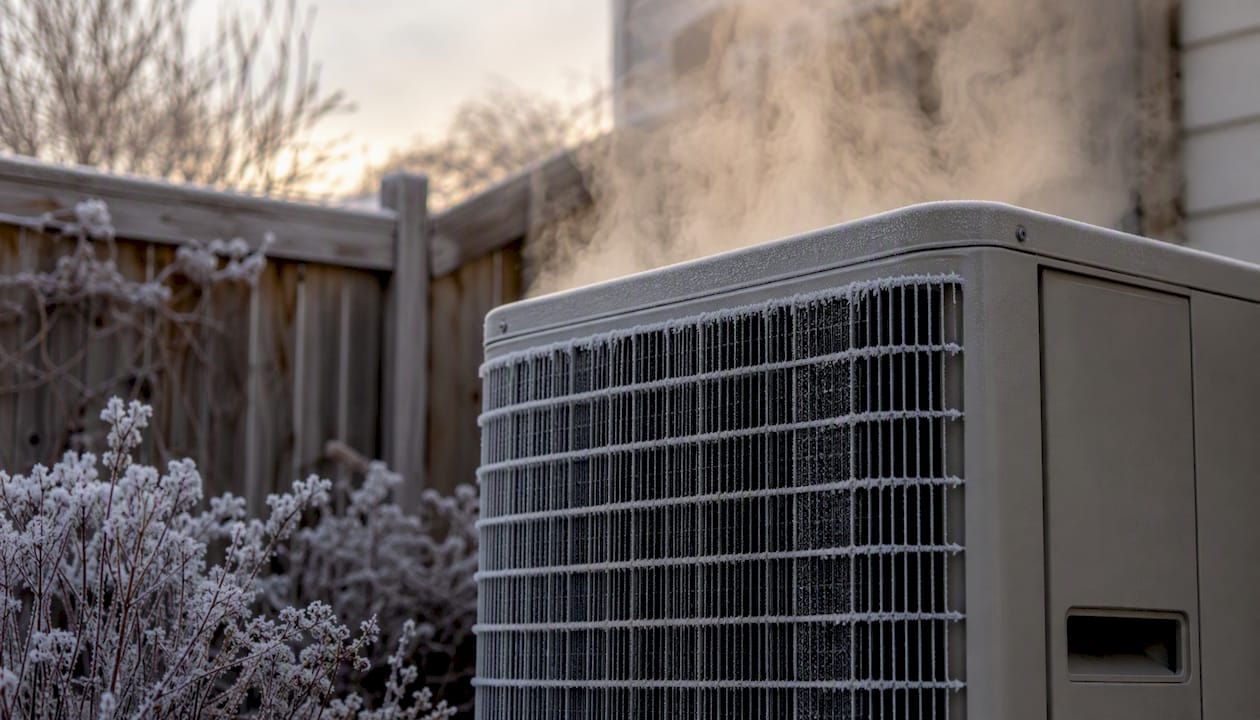
Pro Tip: During a normal defrost cycle, you’ll often see a light puff of steam rising off the outdoor unit as the ice melts. That’s harmless water vapor, not smoke. Steam that clears within a few minutes is fine; a coil still caked in ice 20 minutes later is not.
Mechanical Faults That Need a Licensed Technician
Some symptoms are beyond a filter swap or a thermostat fix. These point to internal components that require refrigerant handling certification and specialized tools to diagnose safely.
- Persistent ice or defrost cycles that never seem to end usually mean low refrigerant charge or a failed defrost control board, not a one-off cold snap.
- The system runs but only blows cool air in heat mode, even after you’ve confirmed the thermostat and fan settings are correct, often signals a stuck or failed reversing valve or a refrigerant problem.
- Heating cycles that start and stop erratically alongside tripped breakers often trace to a failing compressor or a weak capacitor, both of which draw abnormal current.
- The unit runs constantly but never quite catches up to the setpoint can mean an undersized system for the space, a partial refrigerant leak, or a duct restriction limiting airflow.
Hissing near the refrigerant lines, an oily residue around fittings, or copper lines that feel unusually cold to the touch are signs of a refrigerant leak that a technician checks for during diagnosis. If your system leans on auxiliary or emergency heat for more than a day or two at a time, that’s not normal operation. It’s a system compensating for a fault it can’t fix on its own.
Refrigerant work and reversing valve replacement require an EPA-certified technician by law, and for good reason: mishandled refrigerant is both an environmental hazard and a safety risk. Expect a service report that spells out the diagnosis, whether a leak needs repair before recharging, and a parts and labor quote before any work starts.
Pro Tip: If a technician recharges refrigerant without first finding and fixing the leak, ask why. Refrigerant doesn’t disappear on its own. A recharge without a leak repair is a short-term patch that will fail again.
Why Your Heat Pump Blows Cool Air Sometimes (And When That’s Normal)
Every heat pump pauses to defrost the outdoor coil in cold, humid weather. It briefly reverses the refrigerant flow to send warm gas outside, which melts accumulated frost, and that same reversal pulls warm air out of your ducts for a few minutes. You’ll feel a puff of cooler air inside and might see steam rising off the outdoor unit. Both are normal.
A typical defrost cycle runs just a few minutes and repeats roughly every 30 to 120 minutes in cold conditions, depending on humidity and outdoor temperature. Watch for these red flags instead:
- Defrost cycles running back to back with no real heating in between.
- Thick ice on the outdoor coil that doesn’t clear after a defrost cycle finishes.
- The outdoor fan staying frozen or silent when it should be spinning.
Auxiliary or emergency heat automatically kicks in during defrost to keep indoor temperatures steady while the outdoor unit is briefly offline. That’s expected. What’s not expected is AUX heat running for hours at a stretch on a mild day. That pattern usually means the heat pump itself isn’t producing enough heat and the backup system is quietly doing all the work, often at a much higher energy cost.
Pro Tip: Check your utility bill after a cold snap. A sudden spike often means AUX heat has been running far more than it should, even if the house never felt cold.
What a Technician Actually Checks During a Service Visit
A qualified technician doesn’t guess. They run a specific sequence designed to isolate the fault instead of replacing parts at random.
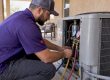
- Visual inspection of the outdoor unit, coils, wiring, and refrigerant lines for obvious damage or debris.
- Electrical testing of the breaker, contactor, and capacitors, since a weak capacitor can mimic a much bigger problem.
- Refrigerant pressure and leak testing, using gauges and often an electronic leak detector to confirm charge levels match manufacturer specs.
- Reversing valve testing, checking that it fully shifts between heating and cooling modes without sticking halfway.
- Coil temperature and airflow measurements across the indoor and outdoor units to spot restrictions.
- Defrost control testing, verifying the sensor and timer are triggering and ending cycles correctly.
A technician’s diagnosis is only as good as their credentials. Look for NATE certification and EPA Section 608 refrigerant handling certification before anyone opens up your system.
Expect a written service report at the end: the diagnosed cause, recommended repair or replacement options, a parts and labor estimate, and a realistic timeline. If a technician can’t explain what they found in plain language, that’s worth questioning. For a closer look at what a professional repair scope typically involves in a heating system, see common furnace repairs.
Pro Tip: Ask for the actual refrigerant pressure readings, not just “it’s low” or “it’s fine.” Real numbers compared against the manufacturer’s spec sheet tell you whether the diagnosis holds up.
Checking the Auxiliary or Emergency Heating System
If your thermostat has an AUX or EM heat setting, it’s worth testing separately from the main heat pump function. Switch the system to “emergency heat” mode for a few minutes and confirm warm air comes through the vents. If it does, your backup heating element works fine and the problem sits with the heat pump’s compressor, refrigerant, or reversing valve, not the electrical backup.
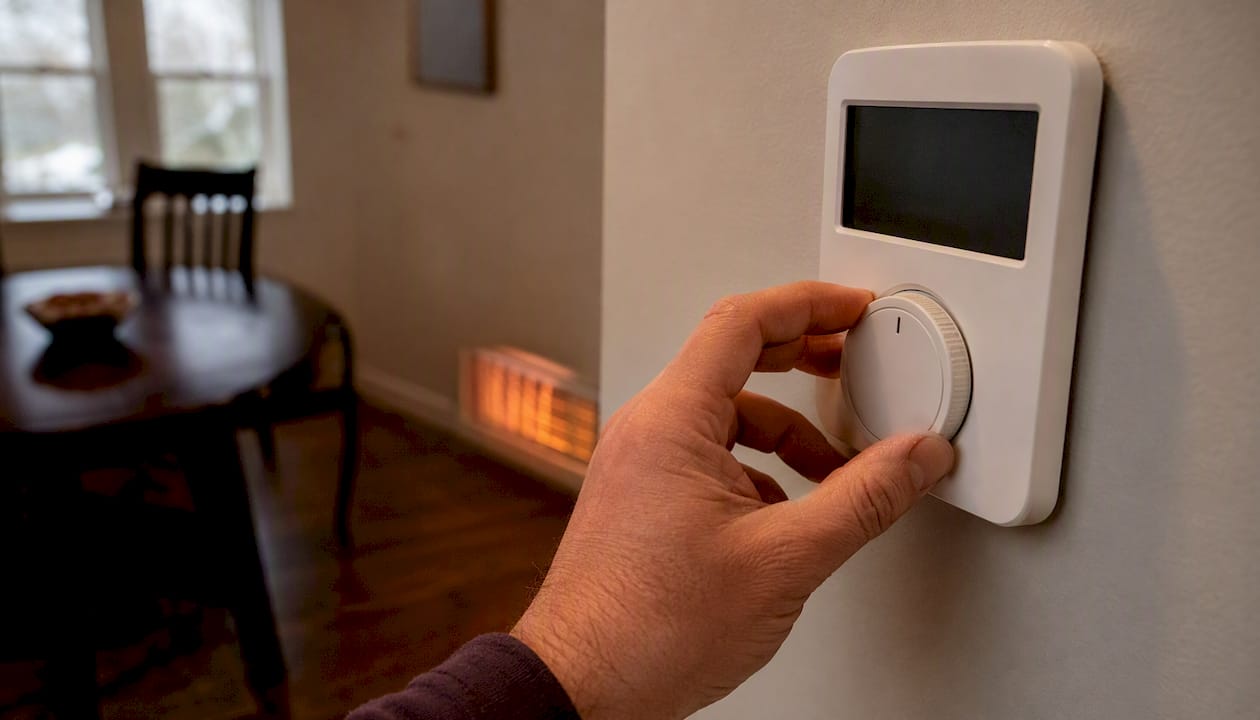
If emergency heat also fails to produce warm air, check the dedicated breaker for the auxiliary heat strip, which is often separate from the main heat pump breaker. A tripped auxiliary breaker is easy to miss because the rest of the system can still appear to power on normally.
Pay attention to how often AUX heat engages during normal weather, not just cold snaps. It’s designed as a supplement during defrost cycles and extreme cold, not a primary heat source. If your thermostat display shows “AUX” lit up constantly on a 40 degree day, the heat pump itself isn’t carrying its share of the load, and that points to a refrigerant, compressor, or airflow problem worth having diagnosed. Frequent, unexplained reliance on backup heat also drives up your electric bill fast, since resistance heating strips are far less efficient than the heat pump’s normal compressor cycle.
Inspecting the Pilot Light and Ignition System on Gas Backup Units
Some heat pump systems pair with a gas furnace as the backup heat source instead of an electric strip, and that setup introduces its own ignition system to check. If your system uses an older standing pilot light, the pilot light going out repeatedly is one of the more common reasons a gas backup heat source stops working right when you need it.
A pilot light that won’t stay lit usually comes down to one of three things: a dirty or misaligned thermocouple, a draft blowing out the flame, or a partially clogged gas line restricting flow. Why does a pilot light go out in the first place? Most often it’s a worn thermocouple that fails to sense the flame and shuts off the gas valve as a safety measure, even when the pilot is technically burning.
Newer gas backup systems use electronic ignition instead of a standing pilot, which lights on demand rather than burning continuously. If yours uses electronic ignition and the backup heat won’t fire, check for an error code on the furnace control board first. A few flash codes tell you plenty before a technician even shows up.
Pilot light troubleshooting is one area where a homeowner can safely relight a pilot following the manufacturer’s printed instructions. Repeated failures, a scorched-looking thermocouple, or any smell of gas mean it’s time to stop and call a licensed technician immediately.
Drainage and Condensate Issues Affecting Operation
Heat pumps produce condensate during both heating and cooling cycles, and a clogged condensate line causes more no-heat calls than most homeowners realize. When the drain line backs up, a float switch designed to prevent water damage shuts the entire system down as a safety measure, heat included.
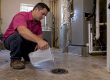
Check the condensate drain pan and line near your indoor air handler for standing water or visible algae buildup. A wet-vac applied to the drain line’s outdoor termination point often clears a simple clog in minutes. If the line stays blocked after that, sediment or a collapsed section further inside the line may need a technician’s attention.
A float switch that keeps tripping even after you’ve cleared visible water usually means the switch itself has failed or the line has a slope problem that lets water pool instead of draining. Neither is a quick DIY fix. Left unaddressed, chronic drainage problems don’t just kill your heat. They lead to water damage around the air handler and, eventually, mold growth in the ductwork.
Common Error Codes and What They Mean
Most modern heat pumps display a code on the thermostat or flash a light pattern on the outdoor unit’s control board when something goes wrong. Codes vary by manufacturer, but a few categories show up across nearly every brand.
- Communication errors (often labeled E1 or a similar code) usually mean the indoor and outdoor units have lost the ability to talk to each other, sometimes from a loose low-voltage wire.
- Pressure fault codes point to refrigerant pressure outside the normal operating range, either too high or too low, and almost always require a technician with gauges.
- Defrost sensor codes indicate the outdoor coil temperature sensor is reading incorrectly or failing to trigger a defrost cycle when needed.
- High-current or overload codes flag a compressor or fan motor drawing more amperage than it should, often tied to a failing capacitor.
Write the exact code down, along with any flash pattern, before calling for service. It’s the single fastest way to help a technician arrive with the right parts already in hand instead of diagnosing from scratch on-site.
How Cold Weather Limits What a Heat Pump Can Do
Heat pumps work by pulling heat energy from outdoor air, even cold outdoor air, and concentrating it indoors. That’s genuinely efficient. A typical unit runs at a coefficient of performance around four, meaning it delivers roughly four units of heat for every unit of electricity it consumes, which is why heat pumps can cut heating electricity use by up to 75% compared with straight electric resistance heat.
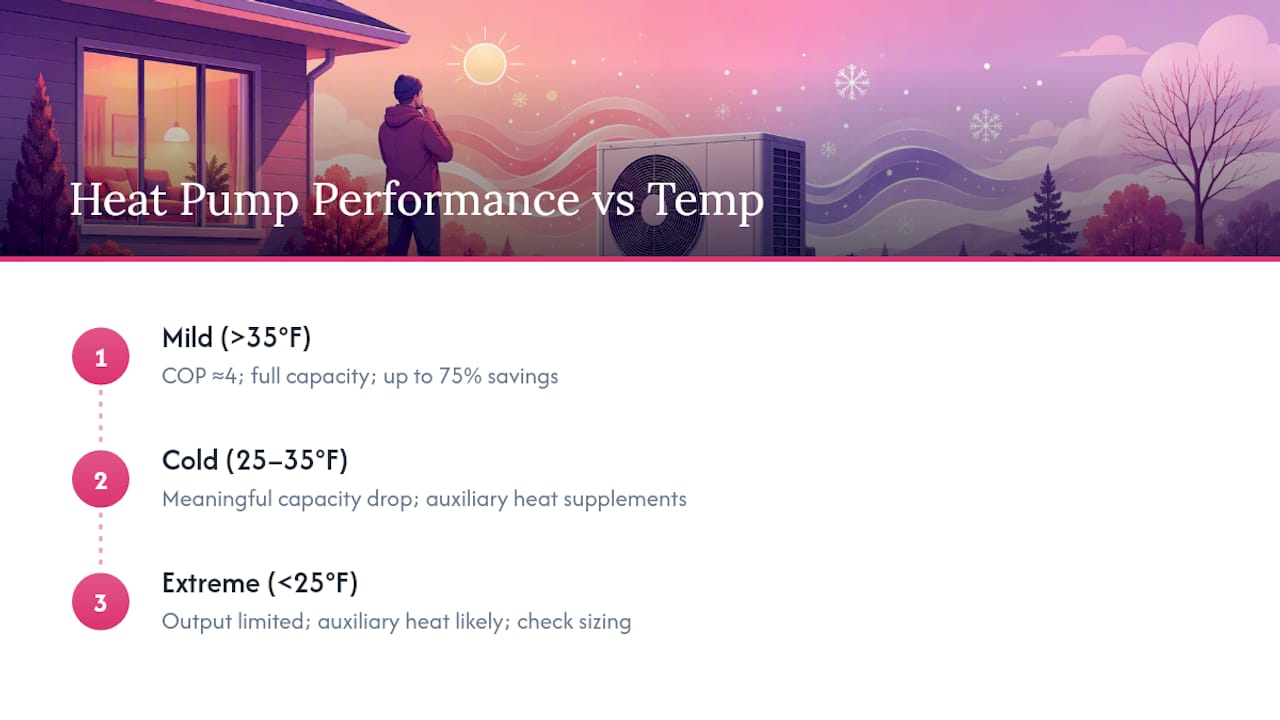
That efficiency has a limit, though. As outdoor temperatures drop, there’s simply less ambient heat to extract, and the system’s output capacity shrinks along with it. Most standard air-source heat pumps see a meaningful drop in heating capacity somewhere in the 25 to 35 degree Fahrenheit range, which is exactly why auxiliary heat exists as a supplement. Supply air also tends to feel cooler than a gas furnace even when everything is working correctly, since heat pumps deliver a steady lower-temperature airflow rather than short blasts of very hot air.
If your heat pump isn’t keeping up on the coldest days of the year but performs fine otherwise, that may not be a fault at all. It may just be the physical ceiling of an air-source system in extreme cold, which is worth discussing with a technician when deciding whether your current system is properly sized for your climate.
Editorial Take: Heat Pump Not Heating? Prioritize This First
Most guides treat every no-heat call as a mystery. It usually isn’t. The research is consistent: the overwhelming majority of heat pump no-heat complaints trace back to a thermostat setting, a dirty filter, or a normal defrost cycle mistaken for a breakdown. Homeowners lose time and money jumping straight to “the refrigerant must be low” when the fix was a $15 filter the whole time, as outlined in this homeowner heating-system checks guide.
Where conventional advice falls short is in explaining defrost behavior clearly. Most articles mention it in passing and move on, but confusing a normal 5-minute defrost cycle with a genuine failure is probably the single biggest source of unnecessary service calls in this entire category.
My honest priority order: check the simple stuff first, give a defrost cycle time to finish before panicking, and only escalate to “call a pro” territory when you see the real red flags, thick ice that won’t clear, a breaker that keeps tripping, or AUX heat running nonstop. Trust the pattern of symptoms over your first instinct, and you’ll save yourself both a service fee and a cold week waiting for parts.
Get a Straight Answer From a Licensed Technician
If you’ve worked through the checklist above and your heat pump still isn’t heating right, the next call matters more than the next Google search. Trucomfortaz sends NATE-certified technicians who diagnose the actual cause, refrigerant, reversing valve, defrost control, or something simpler, before recommending any repair, and every estimate is non-commissioned, so you’re not paying for guesswork or upsells.

Homeowners around New River and the surrounding area count on Tru Comfort for everything from same-day diagnostics to full system replacement when a repair no longer makes financial sense. If your unit is leaning on emergency heat more than it should, or you’re weighing repair against replacement, it’s worth a second opinion instead of a guess. Ready to stop troubleshooting and get an answer? Book a diagnostic visit with Tru Comfort and find out exactly what your system needs.
Frequently Asked Questions
Why is my heat pump not heating even though the fan is running?
A running fan with no warm air usually means the compressor isn’t cycling on, which points to a thermostat setting, a tripped breaker, or a failed component like a capacitor or contactor rather than an airflow problem.
Why does my heat pump blow cold air before it warms up?
That’s typically the defrost cycle reversing refrigerant flow for a few minutes to clear frost off the outdoor coil. It’s normal and should resolve within about 10 minutes.
Why does my pilot light go out on a gas backup system?
A worn thermocouple, a draft near the pilot, or a partially clogged gas line are the most common causes. Repeated failures warrant a technician’s inspection rather than repeated relighting.
How do I know if my heat pump isn’t keeping up because of cold weather or because it’s broken?
If performance drops only on the coldest days and returns to normal otherwise, that’s likely a capacity limit tied to outdoor temperature. If it struggles on mild days too, something mechanical needs attention.
When should I stop troubleshooting and call a professional?
Call a pro if you see thick ice that won’t clear after defrost, a breaker that trips repeatedly, constant auxiliary heat use, or any smell of gas near a backup furnace.
Sources
- Pump your savings: heat pumps | U.S. Department of Energy
- How a heat pump works | IEA (The future of heat pumps)
- Hvac
- Heat pump not heating troubleshooting | BobVila