What an HVAC Tune-Up Really Costs, and What You Get for It
A single HVAC tune-up typically runs $65 to $200, with most homeowners paying around $120 to $150 for a standard visit. An annual maintenance plan covering two seasonal visits usually costs $150 to $350 and often pays for itself through fewer breakdowns and lower energy bills. NATE-certified technicians perform the actual work: cleaning coils, checking refrigerant, testing electrical components, and catching small problems before they become expensive ones.
Average HVAC tune-up cost at a glance: a one-time visit averages $65 to $200, an annual plan runs $150 to $350, and a thorough inspection takes 45 to 90 minutes.
Key Takeaways
A fair HVAC tune-up costs $65 to $200 per visit or $150 to $350 annually, and the value comes from a documented, itemized checklist rather than the price tag alone.
| Point | Details |
|---|---|
| Single visit cost | Expect $65 to $200 per tune-up, averaging around $120 to $150 for most systems. |
| Annual plan value | Plans running $150 to $350 typically include two visits, priority scheduling, and repair discounts. |
| Visit length matters | A thorough tune-up takes 45 to 90 minutes; a 20-minute visit likely skipped steps. |
| Watch for add-ons | Refrigerant recharges, deep coil cleaning, and parts are usually billed separately from the base fee. |
| Verify before booking | Confirm NATE certification and a written checklist, like the plans offered through Tru Comfort. |
Table of Contents
- How Much Does an HVAC Tune-Up Cost?
- What Does a Professional HVAC Tune-Up Include?
- What Factors Affect HVAC Tune-Up Pricing?
- Are HVAC Maintenance Plans Worth the Cost?
- How Do I Choose a Trustworthy HVAC Tune-Up Provider?
- Why Tru Comfort’s Approach Matches This Checklist
- What the Numbers Actually Tell You
- Book a Tune-Up That Actually Follows the Checklist
- Sources
How Much Does an HVAC Tune-Up Cost?
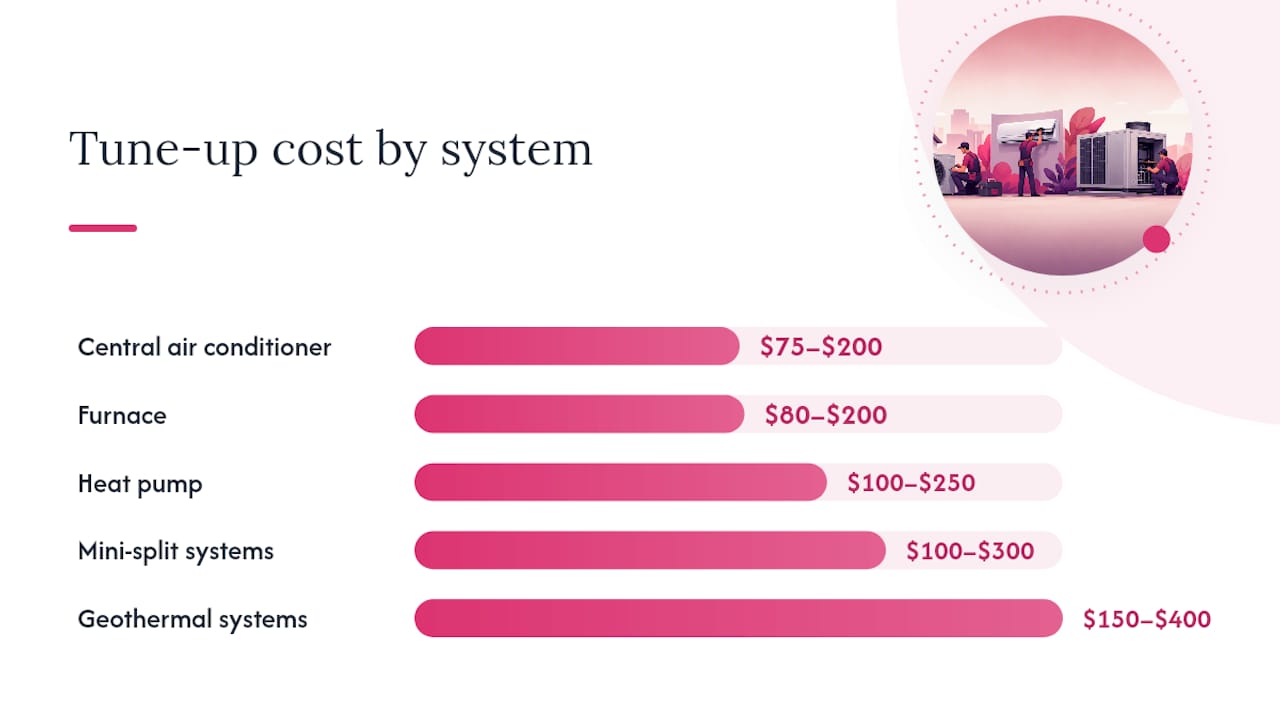
The national range for a single visit sits at $65 to $200, and the $120 to $150 average holds true for most standard residential systems. That number shifts depending on what kind of equipment you’re running.
- Central air conditioner: $75 to $200 per visit, depending on coil access and refrigerant type.
- Furnace: $80 to $200, often on the lower end for gas units with easy panel access.
- Heat pump: $100 to $250, since technicians check both heating and cooling modes in one visit.
- Mini-split systems: $100 to $300, especially with multiple indoor heads.
- Geothermal systems: $150 to $400, reflecting the complexity of the loop and compressor checks.
Price also moves with geography and timing. Coastal and high labor-cost metro areas trend toward the top of the range, while rural markets tend to run cheaper. Book during peak summer or the coldest weeks of winter and expect an extra $20 to $50 tacked on for urgent or after-hours scheduling.
Here’s the math that actually matters: two standalone tune-ups paid separately might cost $240 to $300 a year. Add one $150 capacitor replacement, and the plan member pays less overall while skipping the diagnostic fee entirely.
What Does a Professional HVAC Tune-Up Include?
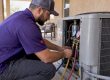
A real tune-up follows a checklist, not a glance. Here’s what a technician should actually do:
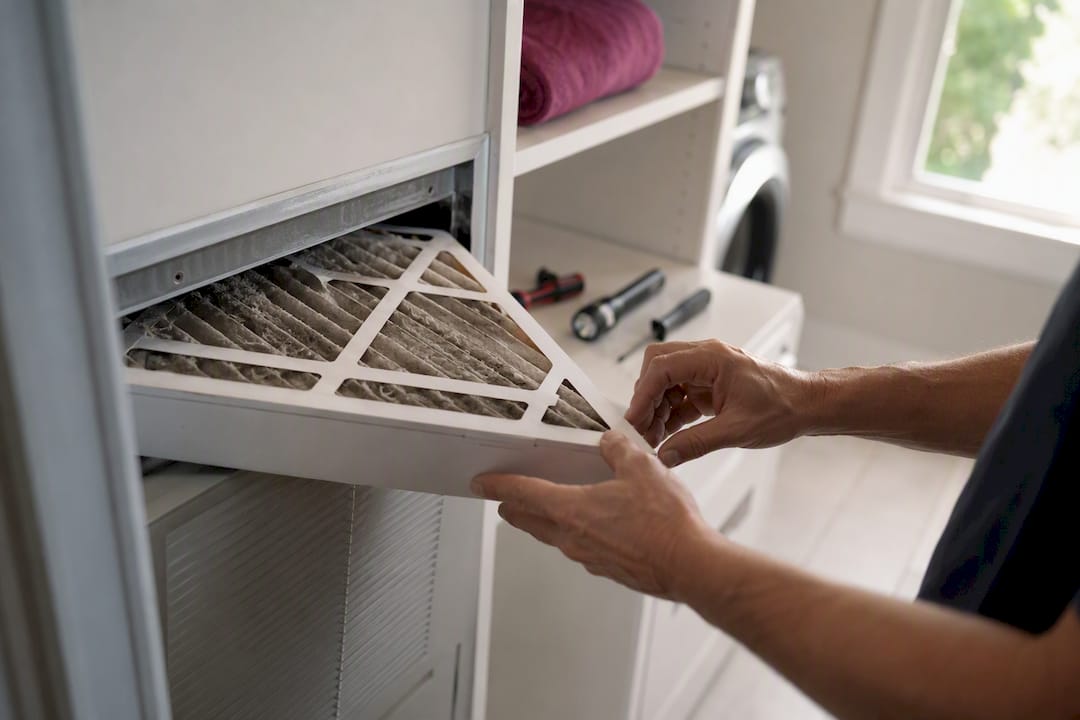
- Replace or inspect the air filter and check airflow.
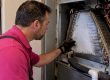
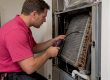
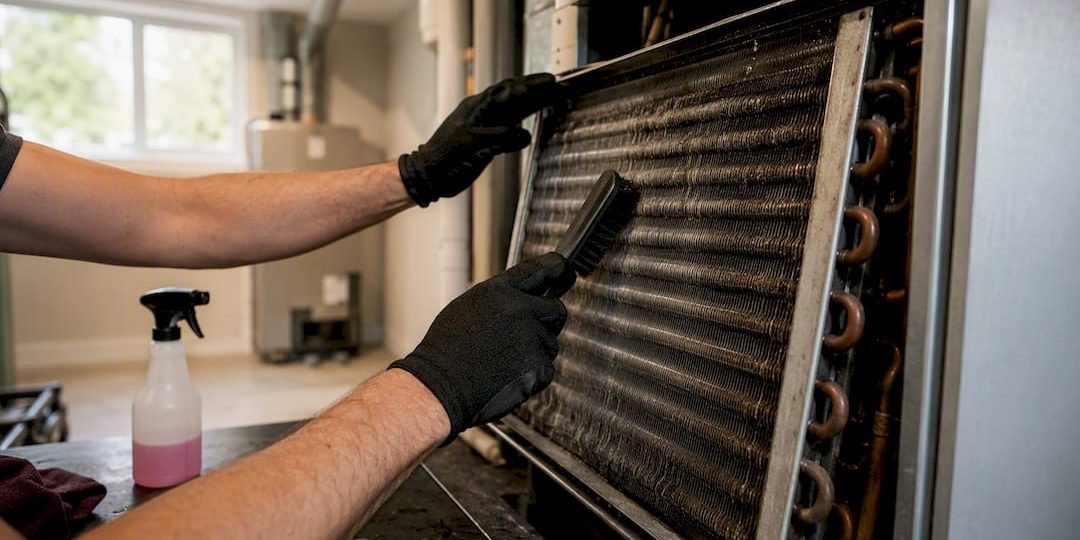
- Clean the evaporator and condenser coils.
- Check refrigerant levels and look for leaks.
- Test the blower motor and fan assembly.
- Inspect electrical connections, capacitors, and contactors.
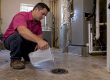
- Clear the condensate drain line to prevent backups.
- Test safety controls and limit switches.
- Calibrate the thermostat and verify accurate cycling.
Filter swaps, coil cleaning, and basic refrigerant checks are typically included in the base price. Refrigerant recharges ($200 to $500), deep coil cleaning beyond a light rinse, and any replacement parts are usually billed separately, per pricing data from This Old House.
A thorough visit takes 45 to 90 minutes. If a technician is in and out in 20 minutes, they skipped steps.
Pro Tip: Ask for a written checklist before the technician leaves. If a company won’t itemize what they did, they probably didn’t do all of it.
What Factors Affect HVAC Tune-Up Pricing?
Quotes vary for real reasons, and knowing them helps you spot a fair price versus a padded one.
- System age and complexity: Older units with worn components take longer to inspect and often need minor adjustments during the visit.
- Access and time on site: A rooftop unit or a furnace crammed in a tight closet adds labor time, which adds cost.
- Refrigerant type: Older R-22 systems cost more to service than newer R-410A units, since the refrigerant itself is pricier.
- Labor rates and seasonal demand: Rates climb during peak summer and winter weeks when technicians are booked solid.
- Travel and dispatch fees: Rural or outlying addresses sometimes carry a flat trip charge on top of the service fee.
- Maintenance history: A system that’s never been serviced often turns an inspection into a repair job, since deferred issues surface the moment someone actually looks.
That last point catches a lot of homeowners off guard. A “simple tune-up” on a five-year-neglected system can uncover a failing capacitor or a refrigerant leak, turning a $150 visit into a $400 one.
Are HVAC Maintenance Plans Worth the Cost?
A solid plan bundles two seasonal visits (one for cooling, one for heating), priority scheduling when your system fails during a heat wave, discounted repairs, and a waived diagnostic fee if something needs fixing.
- Typical plan pricing: $150 to $350 per year, depending on how many visits and perks are bundled in.
- Best fit: Homes with systems older than five years, multiple units, or owners who want guaranteed response time during a breakdown.
- The math: Two pay-per-visit tune-ups plus one $150 repair without a plan runs roughly $390 to $450. A $250 plan with a 15% repair discount on that same fix brings the total closer to $377, and you skip the diagnostic fee on top of it.
The savings aren’t dramatic on paper, but they compound over several years, especially once a system starts needing more frequent attention.
How Do I Choose a Trustworthy HVAC Tune-Up Provider?
Start with verification, not price. A company should have current licensing, liability insurance, and technicians who carry NATE certification, which confirms they’ve passed an industry-standard technical exam rather than just showing up with a toolbox.
- Ask for a written estimate that lists every check included, not a vague “full tune-up.”
- Get parts pricing and diagnostic fees in writing before the visit, not after.
- Ask whether the plan includes repair discounts and how they’re calculated.
- Confirm what happens if the technician finds a bigger problem mid-visit.
- Check how long the company has operated locally and whether reviews mention actual technicians by name.
Watch for red flags: a 20-minute “tune-up” special advertised for $29, a tech who can’t explain what they checked, or immediate pressure to replace the whole system before they’ve even opened the panel. Cheap promotional tune-ups are often loss-leaders designed to get a foot in the door for an upsell, so prioritize scope over sticker price and ask for that itemized checklist every time.
Pro Tip: If two quotes differ by more than $50 for the same equipment, ask both companies exactly what’s included. The gap usually comes down to scope, not skill.
Why Tru Comfort’s Approach Matches This Checklist
Tru Comfort Heating & Cooling is a family-owned provider based in New River, Arizona, built around the kind of transparent service the checklist above demands.
- Technicians carry NATE certification and work on flat, non-commissioned pay, so there’s no incentive to invent repairs.
- Maintenance plans include priority scheduling during peak-demand weeks, repair discounts, and waived diagnostic fees, the same three features that make a plan mathematically worth it.
- Emergency service availability backs the priority-scheduling promise instead of leaving it as a marketing line.
That combination lines up directly with what separates a real tune-up from a rushed one.
What the Numbers Actually Tell You
Most advice on HVAC maintenance treats price as the whole story, and that’s backward. The research here points somewhere else: the visits that go wrong aren’t usually the expensive ones, they’re the ones with no documented scope at all. A $95 tune-up that hits all eight checklist items beats a $180 one that skips the electrical inspection.
Where conventional advice falls short is the obsession with finding the cheapest quote. A $29 promotional special sounds smart until you realize it’s usually a loss-leader built to get a technician in your house so they can sell you something bigger. The plans and providers worth paying for are the ones who’ll hand you a checklist without being asked.
If you take one thing from this, prioritize the written scope over the sticker price. Ask what’s included, get it in writing, and compare that document across two or three companies before you compare their invoices. The price differences usually explain themselves once you see what each company actually promises to do.
Book a Tune-Up That Actually Follows the Checklist
Plenty of homeowners in the New River and Anthem area default to whichever company answers the phone fastest during a heat wave, then wonder why the “tune-up” took fifteen minutes and solved nothing. Tru Comfort takes a different approach: non-commissioned, NATE-certified technicians who work from the same kind of itemized checklist this article just walked through, and maintenance plans built around priority scheduling and repair discounts rather than upsell pressure.

If your system is older than five years, runs multiple units, or you’re tired of guessing what a “tune-up” actually covered, a Tru Comfort plan is built for exactly that situation. Homeowners weighing a bigger decision, like whether it’s time to replace an aging system entirely, can get the same straight answers without the sales pitch. Reach out through Tru Comfort’s HVAC services page to schedule your next seasonal visit before the next demand spike drives prices up.
Sources
- This Old House — How Much Does an AC Tune-Up Cost? (2026)
- HVACBase — HVAC maintenance cost: tune-up pricing guide (2026)